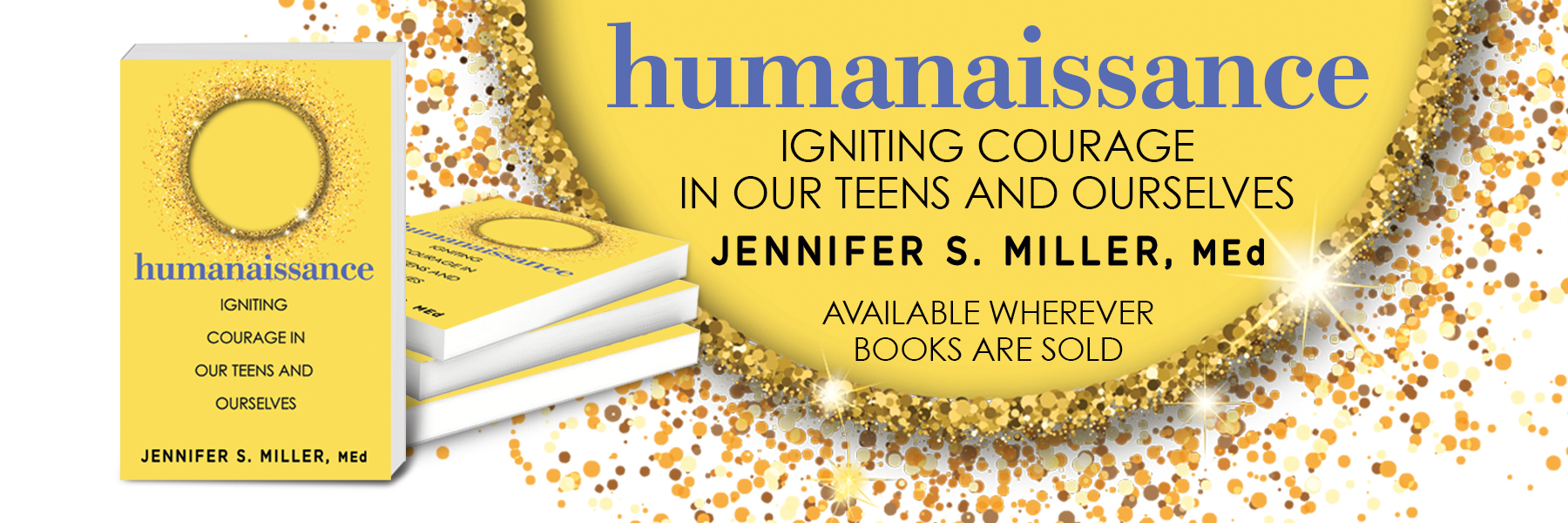
I’m a father of two. A eight year old son and six year old daughter. Too often I find myself losing patience with my little ones and knew there had to be a better way than what I was doing. Well that brought me to this book. I loved this. I’m not one for parenting books but this one was fact based, and actionable. I took pages of notes, and am already applying this to our little household. This is a wonderful book.
Miller’s beautifully crafted book is a must read. The book is not only content rich, but has an artistically and user-friendly display. I’ve truly enjoyed reading the developmental stages and gotten helpful suggestions in the “Tips for Conductors” section for each stage. Miller’s style is knowledgeable, yet affirming and gentle for parents to be kind to themselves through this parenting journey.
This book has so much great information for every stage of a child’s life. Relating feelings to music, Jennifer beautifully writes on how to become a more confident parent.
Be sure and add this book to gift purchasing list and support the families you love this holiday season!
This is a Confident Parents’ favorite already viewed by many this season. Because of the numerous holidays celebrated through the fall and winter months, it is an ideal time to discuss how people celebrate around the world – both the uniqueness of traditions and also the many commonalities. I was struck by the number of similar themes and symbols when I did the research for the following world holiday facts. Most notably, the major holidays celebrate light in the darkness, show gratitude for food, family and life and pause for reflection or prayer. I was so enriched by learning about the beautiful traditions of celebrations around the world. I hope you will take a moment to share these with your family.
For any families who are living with war or violence or fear, we wish them light in the darkness and peace in days to come.
Hanukkah Cultural or Religious Origin: Judaism Purpose: To celebrate a miracle that one day’s worth of oil lasted for eight days in the temple. Symbols/Practices: For eight days, Jews light a special candleholder called a menorah. Traditions: On Hanukkah, many Jews also eat special potato pancakes called latkes, sing songs, and spin a top called a dreidel to win chocolate coins, nuts or raisins. Families also give one gift each of the eight days. http://www.jewfaq.org/holiday7.htm
Kwanzaa Cultural or Religious Origin: African-American Purpose: Started in the United States to celebrate African heritage for seven days based on African harvest festivals and focused on seven African principles including family life and unity. The name means “first fruits” in Swahili. Symbols/Practices: Participants wear ceremonial clothing and decorate with fruits and vegetables. Traditions: They light a candleholder called a kinara and exchange gifts. http://www.history.com/topics/holidays/kwanzaa-history
Chinese New Year Cultural or Religious Origin: China Purpose: Celebrate the new year. Symbols/Practices: Silk dragon in a grand parade is a symbol of strength. According to legend, the dragon hibernates most of the year, so people throw firecrackers to keep the dragon awake. Each new year is symbolized by a Zodiacal animal that predicts the characteristics of that year. 2016 will be the year of the monkey. Traditions: Many Chinese children dress in new clothes. People carry lanterns and join in a huge parade led by a silk dragon. People take time off of work for seven days and celebrate the feast with family. http://www.history.com/topics/holidays/chinese-new-year
Diwali Cultural or Religious Origins: Hindu, India Purpose: The festival of lights honors Lakshmi, India’s goddess of prosperity. It celebrates the inner light that protects all from spiritual darkness. Symbols/Practices: Millions of lighted clay saucers with oil and a cotton wick are placed near houses and along roads at night. Traditions: Women float these saucers in the sacred Ganges River, hoping the saucers will reach the other side still lit. Farmers dress up their cows with decorations and treat them with respect. The farmers show their thanks to the cows for helping the farmers earn a living. http://kids.nationalgeographic.com/explore/diwali/
La Posada Cultural or Religious Origins: Mexico and parts of Central America, Christian Purpose: Reenacts the journey Joseph and Mary took to find shelter to give birth to their son, Jesus. It is a festival of acceptance asking, “Who will receive the child?” Symbols/Practices: Candle light, song, prayer, actors dressing as Mary and Joseph Traditions: People celebrate through song and prayer doing musical re-enactments of the journey. In Mexico and many parts of Central America, people celebrate La Posada in church during the nine days before Christmas. It is a reenactment of the journey Joseph and Mary took to find shelter before the birth of their child, Jesus. https://www.journeymexico.com/blog/posadas-in-mexico-christmas-tradition
Boxing Day Cultural or Religious Origins: United Kingdom, Australia, Canada, New Zealand, Holland Purpose: To share gratitude and give to the poor. Symbols/Practices: Alms boxes were placed in churches to collect donations for the poor. Traditions: Servants were given the day off as a holiday. Charitable works are performed. And now major sporting events take place. http://www.whychristmas.com/customs/boxingday.shtml
Ramadan and Eid al-Fitr Cultural or Religious Origin: Islam, Muslim Purpose: An entire month is spent re-focusing on Allah (God) and participating in self-sacrifice to cleanse the spirit. Symbols/Practices: The crescent moon and a star are shown to indicate a month of crescent moons in the night sky. Participants pray daily in mosques. On Eid al-Fitr, they break the fast by dressing in their finest clothing, decorating homes with lights and decorations and giving treats to kids. Traditions: Not only do celebrants abstain from food, drink, smoke, sexual activity and immoral behavior during the days of Ramadan, they also work to purify their lives by forgiving others and behaving and thinking in positive, ethical ways. They break their fast each day by eating with family and friends after sunset. Breaking the fast on Eid al-Fitr involves making contributions to the poor and gratefulness. http://www.history.com/topics/holidays/ramadan
Omisoka Cultural or Religious Origin: Japan Purpose: This is the Japanese New Year. Symbols/Practices: Thoroughly cleaning house to purify it. Traditions: People remove any clutter and clean their homes to purify them for the new year. They have a giant feast with traditional foods. There’s a national talent competition. Bells ring at midnight and people go to pray at Shinto shrines. http://www.kidzworld.com/article/26414-omisoka-japanese-new-year
St. Lucia Day Cultural or Religious Origin: Sweden Purpose: To honor a third-century saint who was known as a “bearer of light” through dark Swedish winters. Symbols/Practices: With a wreath of burning candles worn on their heads, girls dress as Lucia brides in long white gowns with red sashes. Traditions: The Lucia brides wake up their families by singing songs and bringing them coffee and twisted saffron buns called “Lucia cats.” https://sweden.se/culture-traditions/lucia/
Christmas Cultural or Religious Origin: Christianity and Secular Purpose: To celebrate the birth of Jesus Christ, believed by Christians to be the son of God. For the non-religious, the purpose is to give gifts, receive gifts from Santa Claus and celebrate with loved ones. Symbols/Practices: Santa Claus who was originally named after St. Nicolas, a bishop in Turkey, who was a giver of gifts to children. The evergreen tree was originally a German tradition. The star is the guiding light that led to the animal manger where the baby was born. Traditions: Presents are delivered in secret by Santa Claus on Christmas Eve while families are sleeping. Families and friends exchange gifts. http://www.history.com/topics/christmas
This year, I discovered a beautiful new picture book on world holidays.
This past week marked the 60th anniversary of the Rankin and Bass television special, “Rudolph the Red-nosed Reindeer” though the story was originally written 87 years ago. The story is one of inclusion and how we need to not only be aware of our implicit bias to push children to fit a mold (yes, even Santa struggles with it in this story!), the story points to the fact that it takes intention and conscious effort to ensure every individual is seen, heard, and valued. Check out Coach Matheny’s reflections below on how this story can be used by families and educators alike to share valuable lessons with the children we love. We all have been a Rudolph and we’ve all known a Rudolph. Check it out… and may your red nose shine this season!
by Guest Author Rudolph Keeth Matheny
The beautiful story of a lovable, unique reindeer going from victim to hero is beloved by generations with a rich history and many hidden stories to reveal. Rudolph provides a well-known context for use to explore the roles of bullying, causes, and proactive solutions. In addition, the history of the story is a rich one, which adds depth to the children’s fable. The story and history of Rudolph the Red Nosed Reindeer have many social and emotional learning gifts for us to unwrap.
“Called him names” – the situation and roles of bullying
At the start of the story of Rudolph, we all know the other reindeer used to laugh and call him names. Name calling is known as social aggression, which is any negative behavior designed to embarrass and/or affect another’s social network. In addition to name calling, the other reindeer were also “excluding” Rudolph as “they would not let Rudolph join in any reindeer games”. Being excluded is another common and hurtful form of bullying. Name calling and excluding are classic bullying and for a very classic reason: for being different (Rudolph’s red nose).
It is helpful to understand the common roles involved in bullying in order to address it. Those roles are target, aggressor, bystander and hopefully an ally or allies. In the story of Rudolph, because he was the one being called names, he would be the “target” of the bullying. The “aggressor” is the person or persons doing the bullying behavior, which in this case, sadly would be “all of the other reindeer”. Unanimous bullying is rough and definitely the stuff of legend. Reindeer apparently are prone to a herd mentality. A bystander is someone who notices the bullying but does not encourage or discourage it, a kind of “Switzerland” role. We can only assume with all the name calling and excluding going around the North Pole that someone would have noticed, most likely the elves. You might make the excuse that the elves were very busy making toys, but since they are Santa’s reindeer caretakers and are known for their keen sense of hearing, they must have known. So for our story, the elves were the “bystanders” in the bullying roles. However, do not get too upset about the elves. They clearly did not join in on the bullying as there is no mention of them also calling Rudolph names or excluding him. Many people are bystanders and perhaps they did not know what to do to help Rudolph. This article will show you what can be done.
A surprisingly cold overall reindeer climate at the North Pole
Another concerning part of the story is that Rudolph did not seem to know what to do to advocate for himself. The North Pole at the time definitely needed to put both proactive and reactive systems in place for bullying prevention and an overall-positive reindeer climate. A reactive system would be if all reindeer and reindeer supervisors were educated about the roles involved in bullying and on what to do after the bullying had started. A proactive anti-bullying system would be supports or structures that may have prevented the bullying altogether, such as teaching the reindeer skills for responding to others, taking someone else’s perspective, showing empathy and advocating for others.
If a strong system was in place perhaps the elves would have acted as allies, and they could have done a lot to help instead of acting as bystanders.
These are common ways to be allies. They could have been a “confronter” and stood up for Rudolph; even something as small as “that is not a jolly thing to do” may have stopped the bullying. They could have been a “supporter” by supporting Rudolph through his trials comforting him after the bullying and helping him work through the problem. The elves could have been a “distractor” by distracting the reindeer when bullying, by changing the topic or telling a holiday joke. Some things they might have said to distract would be; “I hear there is a snowstorm coming in. Do you think we will be able to do the delivery run?” or even “Have you heard the joke about why Santa is so jolly?”
Rudolph also might have known some tips for a target. He could have stood up for himself by stating in a strong but non-threatening way “I feel hurt when someone bullies me, so stop bullying me”. Rudolph could have spoken to a friend, parent, or leader about the problem. Rudolph, however, was a wonderful role model as he did not let others’ negativity prevent him from being himself and shining his light.
Santa – The ultimate ally
Rudolph is eventually saved in the story by perhaps the ultimate ally, Santa. It is very possible Santa knew about the bullying and looked for a reason to give Rudolph a leadership role. The fog was possibly just the opportunity he was hoping for so he could turn things around for Rudolph. Perhaps there was an elf or a reindeer that did notice the bullying and reported it to Santa. Regardless, Santa is the perfect ally as a respected leader of the reindeer who had the vision to see what made Rudolph different as a strength rather than a weakness. This is a powerful way to turn around bullying and a wonderful way to see difference. What if we asked ourselves when we notice someone is different, how that difference is a strength? Better yet, what if we all tried to help them make that difference a strength?
“Poor Rudolph” – Empathy, the antidote
The author invokes a critical bullying antidote with the passage “They would not let poor Rudolph join in any reindeer games”. By saying “poor Rudolph” the author was trying to get the reader to feel some empathy. In fact, he was also doing it by just telling Rudolph’s story, as it helps us engage in two key parts of empathy, (1) noticing how another is feeling and then (2) seeing it from their perspective. The third part of empathy is feeling with someone or feeling at-least a little bit of what they are feeling. This would be different for every reader, but the emotional ride of the story from poor Rudolph to going down in history surely evokes empathy in us all.
Without this appeal to our empathy, a reader might have thought all of this bullying behavior could be warranted for flaunting his red nose, a kind of “who does he think he is walking around with his red nose all stuck up in the air.” This is exactly why empathy is so important. When we recognize how others are feeling, see things from their perspective and feel a little of what they are feeling, we are putting ourselves in the position of another. Doing this is putting ourselves in another’s shoes or in this case horseshoes and if we were in those shoes, we would not want to be called names or excluded.
Rudolph for grown-ups – “Going down in history”
Empathy is at the core of our humanity and relates directly to the golden rule of “Do unto others as you would have done to you”. Without a perspective of empathy, we are prone to “other”-ing or to distancing ourselves from another person or group of people. To make them different from “us”. This psychological distance allows us to be callous or unfeeling towards them. Bullying and exclusion starts with othering someone for their difference. The small comments grow into rationale for exclusion or social aggression, “Othering” taken to broad extremes has allowed horrors such as Native American removal, slavery, the Holocaust, and many more throughout time. In fact, Rudolph the Red Nosed Reindeer was written by an author, Robert May, who was inspired by his own painful childhood experiences as a Jewish boy targeted by bullying. The story was created during a time of great personal sadness for May, during a global background of the horrors of the Holocaust.
Smothering othering with empathy using Rudolph
Empathy is really seeing ourselves in another, and it breaks down “othering” as it forces us to think about how we would feel and how we would want to be treated. Empathy can change bullies to bystanders and bystanders to allies. This is why the work of teaching empathy is so critical to creating safe inclusive communities and a better world. So, this holiday season as you share the story of Rudolph the Red Nosed Reindeer, talk about the gift of empathy within the story. For younger children ask them what they think Rudolph might be feeling at each stage of the story. Talk about bullying and how to be an ally. For older children, consider adding the deeper history of the story. But most of all, use the story to remind all to see what others are feeling, put themselves in their shoes, and act from a place of compassion.
Perhaps the lesson of Rudolph can help make us all go down in a more empathetic, peaceful, and inclusive history.
This year, Rudolph Keeth Matheny made a video about the anniversary and the teaching opportunity for educators. Check it out here.
Guest Author Rudolph Keeth Matheny is a social and emotional learning teacher, speaker, and author of the book, “ExSELent Teaching; Classroom Strategies to Support the Social, Emotional, and Academic Growth of Students.“ He is named Rudolph, after his grandfather, who dramatically escaped the Holocaust on “Kristallnacht” and immigrated to America. He then worked in a warehouse and sent most of what he earned to help family members and friends escape. HIs mother, out of concern for his being bullied, nicknamed Rudolph “Keeth,” which is what he has been called all his life. Now that he knows more about his grandfather, he embraces Rudolph both in his name and in his work. He is a co-author of School-Connect, a research and evidence-based social and emotional learning curriculum that is now in over 2000 schools. Check out his site,SEL Launchpad!
*What an absolute joy to learn from and partner with Rudolph Keeth Matheny this week! It’s an honor to publish his outstanding article. – CPCK
Extra late nights studying and writing papers have become a nightly gig for our high school student as extracurriculars fill after school time. For us, work deadlines loom, meetings are stacked up before break, and the daily list of gift buying, wrapping, decorating, and generally preparing for the holidays ahead keep all of us on hyperdrive in December. During a meeting at my son’s school today, I heard just how many people were home sick – a lot! Staff were talking about family coming in to town soon and how much they had to finish up before any celebrating could begin. It’s crunch time and it can wear us down even before we make it to the festivities.
When my son was in second grade in this time leading up to winter break, I recall he burst into tears as his friends waited at our door to play. He had fallen up our stairs and gashed his shin on the metal rims of the hall steps. I plopped on the floor to comfort him and as he turned to me, he said, “Mom, you told me to hurry.” And it stopped me in my tracks. Why? Why did he need to hurry? In my mind, I had a million tasks to accomplish including facilitating his tasks – homework, dinner, and holiday preparations. I had thought it could be good for him to get outside and run around with his pals for a short time. But I was pressuring him to hurry up and why? Quick, go examine bugs under the rocks?! As he ran out and the door shut, I noticed the quiet in our house and really stopped for the first time. What was I doing?
With the holiday season upon us – no matter what holiday you are celebrating – you may be feeling similarly – fully in the throes of too much to do with too little time. And the knot in your tummy may be growing as mine has been. In a time when I want to produce joy for my family, I realize I am a lesser version of what I can be because of stress. I know I will get to this stressed-out place well before the holidays happen. And somehow I feel powerless to stop it. There’s still work to get accomplished before taking time off. There’s still the same amount of presents to buy for others (and actually, more as E’s friends and connections grow). There’s still cookies to bake, decorations to hang, and packages to send.
And so I write this post to help myself as much as you think about and deal with the situation we find ourselves in. In the very midst of the chaos, how can we keep our calm center? And how can we recall that our state of mind and being will impact the way others experience our celebrations together? Our stress will show. And whether we like or not, it’s contagious. It spreads like a virus and others get snappy and agitated – not conducive attitudes for cooperation more less jubilation.
Whether you are celebrating Hanukkah, Christmas, or Kwanzaa, all of the major holidays this season celebrate light in the darkness. And that’s the gift I most want to give my family and the one I think they will appreciate beyond the “stuff.” Yes, I’ll bring gifts. But more importantly, I am setting an intention to prepare myself for the experience of celebrating with family and friends. I plan to deck our halls with a feeling of peace and joy and appreciation for our abundance. And I know that has to begin with me. Here are a few things I plan to do that, maybe, you’ll consider for yourself.
Engage in deep breathing each day. I was in the habit of taking ten deep breaths before I launched into work each morning but my routine fell away as the season crowded my moments. So I plan to return to this practice to set a tone for my day.
You might also consider: How can I include moments of pause or quiet with my children to help them feel that sense of calm?
Get exercise and fresh air. The routine of breathing outside and getting to the gym could easily also fall away with the season. But I know these are the activities that keep me centered, focused and feeling resilient. So I plan to make special arrangements while my son is home over the extended break so that I am sure to keep my routines sacred for the benefit of my whole family. We have a new bird feeder and we enjoy watching the birds and squirrels gather around it. This year, I’m involving family members in topping it off when it gets low, just one way we all get outside a little.
You might consider: How can we as a family get outside and breathe the fresh air together?
Mentally prepare before events. My sparkling outfit is not as important as the demeanor, the tone, or the mood I bring to any celebration. Whether it’s in my own home, at a friend’s house, or in a restaurant, the way I engage with others matters greatly. It can mean the difference between really connecting or “phoning it in” without true interchange. There may be individuals that you celebrate with only one time a year. This is that moment, that unique opportunity to bring your focused attention to them. I will set my own intention to focus on the present before I go so that when I arrive, I am ready to fully engage with whoever comes my way. I’ll stop and take a pause before leaving the house or answering the doorbell. This small step can have a ripple effect on my own and my family’s experience of the holidays. I know this will set an example and tone for my child. I notice when I’m stressed, he’s stressed. But when I’m calm and engaging with others, he does the same.
You might consider: How can we as a family take a pause before going to our social gatherings this season?
Set goals for connection. When you go to a party, you likely anticipate who you’ll see. Sometimes that anticipation creates anxiety if you’ve had challenges with individuals in the past or if those individuals view you in ways that you do not view yourself. Those interactions can be opportunities for your own growth in social and emotional competence. Instead of dreading those who challenge you, ask yourself three important questions.
What can I learn from this individual who challenges me?
How can I begin to understand their perspective and feel compassion for them?
How do I want to show up in that conversation?
I know that if I model curiosity and compassion, that will have a direct impact on how my child interacts with others. I want to leave a party feeling like I know more about the individuals that I met than I did when walking into the room. And what if I also learned more about myself by attempting to relinquish worries about what I’m saying and what messages I’m communicating about my life but focus on learning about others, finding common ground and sharing my ability to be empathetic and show care?
You might also consider: how can I coach my child when they are struggling with social anxieties to discover what they are learning about themselves and others?
Insert mindfulness rituals into your gatherings. We are so looking forward to a quiet evening with dear friends to share in a quiet sacred ritual of burning evergreens in a home fire to recognize the passing from light to darkness on the shortest day of the year, the winter solstice. We include a guided meditation/visualization that children and teens can join in on and reflective journaling to prompt reflections too. Consider how you might include your own mindfulness practices into your celebrations. Perhaps it’s reading aloud a passage or a poem you are inspired by? Or maybe you take time as a family to take three deep breaths before eating a meal? You don’t have to fit in your own stress management strategies around the edges of the holiday. Find ways to include it and it will assist all members in being focused and present with one another.
Consider: How can I include a simple mindful ritual into our family traditions?
Say “no” when it’s too much. Instead of cramming each activity into every space of time in the few weeks left in the year, consider what might be too much. Have you accounted for quiet rest time? Have you considered how the pace will impact family members? We rarely plan our schedules for our mental well-being but particularly in this season of over-commitment, it can be worth asking, “What do we really want or need to do?” “When can we get in rest time?” and “Are there plans we need to say “no” to?
You might consider: Our children will struggle with saying no since they are often the receivers of plans, not the designers. How can you lead careful reflections of your child’s activities with your child (or as a family) and together decide what’s reasonable and what is too much?
Express gratitude daily. The holiday season is a time of high contrasts – tremendous sorrow missing loved ones that have passed on or reflecting upon our tough circumstances and then, also feeling the magic, imagination, and sheer bliss of children’s experience of the traditions surrounding the holidays. It’s an emotional time. So it requires us to become more planful about our big emotions. One way to balance out our adult angst is to express gratitude with our children daily. Whether you mention your gratitude over breakfast, during the ride home from school or at bedtime, kids will benefit by actively appreciating all that they have. And you will benefit by recognizing the goodness in your life. It will assist you as you set a tone with your family.
Consider: Do you have a specific time daily when you are with your family that you could express gratitude together?
Carving out time and space for your mental well-being may seem like another “to do” to add to the list. But consider the fact that paying attention to the tone of your family and setting an example will give you energy and motivation as you gently experience your days. The gift of your attention certainly is one of the most important for your children and indeed, your whole family. Consider how you might deck your halls with psychological well-being this season!
The holidays can be tough for all of us for many different reasons. For some of us, it involves the emotional and physical roller coaster ride of buying family and friends gifts, teachers gifts, and shuffling from school events to work events. And then there are the added financial burdens just to name a few. There is a way to replenish our tank when it feels like we are no longer running on the fumes of joy during the holiday season — volunteering together. Giving back during the holidays is one of the most renewing activities a person can do, especially with one’s family. Deciding we can go out and help others is exactly what my family and I choose to do around the holidays. While volunteering is and should be a year-long endeavor, it is particularly special to interact with people and spread a little extra joy during the holiday season.
From discussion to action, volunteering helps support our children’s and our own growing social and emotional skills and contributes to a sense of well-being for those serving and for those receiving. Who doesn’t want to know that someone cares? For me, that is what volunteering, both indirect and direct, is all about. Have you tried sitting and writing a note of gratitude to someone you don’t know and leaving it in a high traffic area for a random person to pick up? And let’s go one step further. Can you imagine being the one to receive the note? It could be a simple “Have a good day” or “You are amazing”! We know words matter and mean so much.
One Thanksgiving past, my family and I decided to help the homeless in our neighboring communities. We went shopping for hygiene supplies, headed to McDonald’s to purchase $5 gift cards, and with the items we’d purposefully collected, we packed each backpack with love and care. While in the store, we talked about which items a homeless person could use. We talked about what being homeless meant, especially during the winter months. We talked about the why of volunteering and why we decided to help a particular community with great need while building our children’s empathetic thinking. Once we finished packing the bags, we went to the intentional communities our local homeless population created and listened. We went into their makeshift homes. We asked what their other needs were. We carefully listened. As we left, we were waved on our way by grateful humans who were touched that someone took the time to care about their needs and wanted nothing in return.
Volunteering is an opportunity to increase one’s social awareness about issues that need more attention, like homelessness and poverty.
Volunteering builds one’s capacity to communicate effectively. Communication is key.
My family and I had a job that day. We needed to work together towards our common goal – building our collaboration skills. Our first goal was to shop for the items. Then we needed to communicate effectively with one another to understand what was going into the bags. From parents to kids, there was a job for everyone. Everyone had a purpose along the way.
Once we were in the car, traveling towards the predetermined locations, everyone also had a job: to look out for any homeless person – someone holding a sign asking for help. And they did. When they saw someone, I, as the resident driver, would head in that person’s direction. My twin daughters were responsible for handing out the McDonalds gift cards to each person. I knew we’d chosen the right activity for our family that Thanksgiving when the kids argued over who would give out the final gift card.
And it didn’t stop there. The kids learned how incredibly grateful they were for their warm car, their full bellies, and the opportunity to be with their family members – people who loved them and supported them. As we reflected together on our experience, we recognized another important part about our day… everyone we met wanted to be heard and seen. The act of volunteering did exactly that for all.
Nikkya Hargrove is an alum of Bard College and a 2012 Lambda Literary Fellow. She has written for the The New York Times, The Guardian, The Washington Post, Taproot Magazine, Elle, and more. Her memoir, Mama: A Black, Queer Woman’s Journey to Motherhood, is forthcoming from Algonquin Books. She lives in Connecticut with her one son and two daughters and is a staff writer for Scary Mommy. Learn more at https://www.nikkyamhargrove.com.
After a series of four workshops with high school students earlier this year where we taught them “leadership skills” like deep and reflective listening, empathy, elevating marginalized and quieter voices, and co-creating solutions to problems together, we received lots of positive feedback from the students on how it impacted them. Among other comments, one student said:
“Grateful to be a part of a community that has space for my strengths and individuality.”
In fact, this reflection of one student’s experience reflects larger studies done with tweens, teens, and college students too. Researchers have found that when students bring a grateful mindset to a group, they feel a greater sense of connectedness and they feel seen, heard, and valued.1 This has larger ripple effects on their physical and mental well-being as well. They are far less likely to have headaches, stomach aches and runny noses. And also, far less likely to struggle with anxiety and depression. They are more likely to feel a sense of belonging at school and have healthy relationships. This can contribute directly to their academic success. The benefits are equally powerful for younger children and adults as well.
This holiday is an ideal time to model gratitude for all of those present around your table. Though you may gather with extended family or friends who hold differing worldviews, this is the time to come together to be grateful for the many ways we are connected and the many ways we are blessed. Focusing on our connections and the best of each individual around our table makes feeling genuine gratitude possible.
So if gratitude is so good for our well-being and our children’s, why don’t we embrace gratitude and practice it like we would make a point of doing physical exercise each day or taking a vitamin every evening for our health? A dose of gratitude per day might just keep the doctor away! Perhaps because it seems too simple or too good to be true, we don’t make a point of it. Yet, our mindset determines how we make meaning of everyday circumstances and challenges. If we approach a problem with gratitude — that we can learn and grow from it — , surely we’ll approach that problem differently — with an open mind and an open heart — than if we bring a blaming mindset or an annoyed or angry perspective.
Once a year on the Thanksgiving holiday, many of us in the United States gather around a feast with family or friends and give thanks for the harvest and the blessings in our lives. So why not use this already-infused-with-gratitude event to kickstart a year of gratitude in your family’s life to reap all of the well-being benefits that come along with it?
Here are some ideas backed by research on how we might create a gratitude habit:
Observe!
Feelings…Take time to observe when you are feeling gratitude and what specifically created that feeling. Then ask: How can you create a regular opportunity for that activity or experience to help generate more gratitude? Make sure you note the smallest aspect of the action that created gratitude. In other words, you don’t have to host a family feast to experience gratitude. What about your time together created gratitude? Was it the connection? How could you create connection daily? Did it involve a prayer, poem, or spoken words of gratitude? How could you speak words of gratitude daily?
Media Impact and Feelings… Take time to observe your media habits. Whether its radio, books, television, streaming content, or social media, all of these inputs have an impact on your thinking and feeling during a given day. Note how you feel right AFTER you’ve experienced that media. Are you grumpy, agitated, sad, worried, or angry? Or do you feel inspired and energized? How can you minimize the sources that cause you angst and maximize the sources that leave you energized?
2. Share your Observations with Family Members and Gather their Input
Feelings… You might offer, “I’ve noticed that…” and share your reflections on how you felt during and after Thanksgiving and when you noticed the benefits of gratitude. Ask your family members when they experienced gratitude and how it made them feel.
Media Impact and Feelings… Also, take time to ask about media. Perhaps, encourage family members to observe their feelings when they take in various forms of media during the following day. Report back to one another and share in the reflections. Do you have similar or different experiences? How can you learn from those experiences to build your gratitude practice (and minimize media that leaves family members feeling anxious, worried, angry or depressed)?
3. Decide on What Practice Feels Like It Works with your Family Flow and Co-create an Intention
After you share your reflections on experiences with family and experiences with Thanksgiving experiencing gratitude, consider together how you might create more of that in your every day life and specifically related to media content and intake. Consider together: what daily simple practice could we engage in to generate gratitude? Then, co-create an intention to help one another remember to do it each day.
2. Schedule your Daily Dose.
We don’t tend to add new routines or practices without scheduling them in our very busy lives. So decide how you will get your daily dose and what time of day and then, schedule it! It could be you include a family reflection in your morning routine during breakfast to set a tone for the day. It could be you begin to reflect together before you eat dinner on the abundance in your life including the food on your table. Or you might decide a private practice of journaling on what you’re grateful for before bedtime will help you, as a parent, model the grateful mindset your children will learn and benefit from.
With media, you might become intentional about unfollowing some negativity or fear-producing feeds and following others that you know will be life-giving. Instead of a negative news source, find a positive one or follow another topic that gives you or your children a breath of fresh air: nature, people doing good, animals, gardening, art, cooking or others.
In times of uncertainty or worry, gratitude is one important key to nourishing your mental health daily. This week offers a chance to get started. Reflecting on and learning from your experience of gratitude on Thanksgiving can help you extend those feelings and the well-being that goes with it throughout the year.
After twelve years of Confident Parents, Confident Kids, we are grateful every time we publish an article for you as readers, followers, and contributors to this conversation that elevates one of the most meaningful roles we play in our lives as parents and caregivers! We appreciate you!
References:
Froh, J.J., & Bono, G. (2014). Making Grateful Kids; The Science of Building Character. West Conshohocken, PA: Templeton Press.
Today is the day we focus on and call attention to child well-being and this year’s activity: “Climate in your Hands.” And in the global and national conversations, the topic of child well-being needs to become top priority. This generation is worried and scared about climate change. So it’s our responsibility as educators, parents, and caregivers to offer our children and teens guidance on ways they can take action, show care, and build a reciprocal relationship with the environment.
We will only feel safe on our planet when we see and show that we are part of a larger eco-system and that all choices we make impact that larger eco-system. The problems can seem overwhelming. But our children give us the opportunity to learn together simple ways that we can make a difference each day in how we treat the world around us. Our family started composting all of our food scraps over the past year. And not only did we feel so good about this small step, but also we began to notice how much we were collecting that previously went straight to the landfill.
My son, now in high school, is taking a course in applied chemistry with a focus on learning about climate change. This Spring, he’ll travel with classmates to Costa Rica to experience the rainforests and see how the people of Costa Rica have served as a world leader in sustainability in their tropical environment. At each age and stage, there are important opportunities to educate ourselves along with our children about environmental justice and ways we can care for our planet together.
Here are some favorite recommended books below to get you stated!
Thank you United Nation’s UNICEF and Six Seconds for hosting today’s Pop Up Festival!
It’s not too late to join in! If you would like to submit your own “Climate in your Hands” activity – all ages are welcome! – feel free to send to confidentparentsconfidentkids@gmail.com or post your activity on social media with the hashtags #worldchildrensday and #EQPOPUP.
Inspired by the many Indigenous-led movements across North America, We Are Water Protectors issues an urgent rallying cry to safeguard the Earth’s water from harm and corruption—a bold and lyrical picture book.
This clear, to-the-point, and fully illustrated guide answers kids’ questions—and shows how they can play an important role in solving the problem. Some of the most renowned climate activists—including Greta Thunberg—are children and teens, for they are the ones who will inherit the planet and its problems. This important guide enlightens kids about why climate change is real, why it’s serious, what’s causing it, and how we can fix it. It explains why grownups aren’t doing enough, why one group of people alone can’t solve it, and what the roadblocks are, from wealth disparity to our dependence on air travel.
Meet 12 young activists from around the world who are speaking out and taking action against climate change. Learn about the work they do and the challenges they face, and discover how the future of our planet starts with each and every one of us.
by Robin Wall Kimmerer and Adapted by Monica Gray Smith
Drawing from her experiences as an Indigenous scientist, botanist Robin Wall Kimmerer demonstrated how all living things―from strawberries and witch hazel to water lilies and lichen―provide us with gifts and lessons every day. Adapted for young adults, this new edition reinforces how wider ecological understanding stems from listening to the earth’s oldest the plants around us.
Everybody can be a thinking person when it comes to climate change, and this book is a perfect roadmap. Start a web search for “climate change” and the first three suggestions are “facts,” “news,” and “hoax.” The Thinking Person’s Guide to Climate Change is rooted in the first, up to date on the second, and anything but the last. Produced by one of the most venerable atmospheric science organizations, it is a must-read for anyone looking for the full story on climate change.
Coming up this week, Confident Parents, Confident Kids partners with the United Nations’ UNICEF and Six Seconds, a global organization that supports emotional intelligence, for the Pop-Up Festival on Child Well-being in celebration of World Children’s Day on this Thursday, November 20th. Last year, they reach 3.5 million people with this campaign. And this year, you are invited to be a part of it!
The central activity focuses on climate change and environmental justice. It’s a simple activity that can be done by/with children, teens, and adults alike. In it, you’ll reflect on how you feel about the current realities of climate change. And then, you’ll draw your hoped-for, imagined future of our planet and climate. If done together with caring adults and accompanied by meaningful dialogue, it can be incredibly powerful in showing how we all have agency in the issue of sustaining our planet. Did you know… in the largest international research study to date, researchers found that 56% of the 10,000 youth surveyed felt “humanity is doomed” due to climate change.1 So showing our youth they can make a difference is a powerful way we can contribute to child well-being.
Through this simple activity, you’ll be generating ideas with children and teens on how we all play a part in ensuring youth have a safe and happy future they can look forward to.
So here’s what you can do if you choose to participate with us.
Engage the children and teens you are raising, teaching, or working with in the activity. Be sure you discuss what your children are expressing on paper to help all make sense of what they are feeling. If in your conversation, you get to the point of saying, “what can we do?”, be sure and note this is one important step you are taking by expressing what’s in your hearts and sharing it with others to raise awareness around the globe.
Scan and share with me by the end of TODAY — Tues, Nov. 19! And I’ll share through the Confident Parents’ blog and social media (and encourage others to participate through your examples). Please send as a pdf attachment to confidentparentsconfidentkids@gmail.com with the subject line: Child Well-being.
Share through your own social media! Be sure and add the hashtags: #EQPOPUP #worldchildrensday
Thank you to those who have already shared their entries! You’ll get to check them out on Thursday! Hoping to see more from YOU by the end of the day!
Next week, Confident Parents, Confident Kids partners with the United Nations’ UNICEF and Six Seconds, a global organization that supports emotional intelligence, for the Pop-Up Festival on Child Well-being in celebration of World Children’s Day on Thursday, November 20th. Last year, they reach 3.5 million people with this campaign. And this year, you are invited to be a part of it!
The central activity focuses on climate change and environmental justice. It’s a simple activity that can be done by/with children, teens, and adults alike. In it, you’ll reflect on how you feel about the current realities of climate change. And then, you’ll draw your hoped-for, imagined future of our planet and climate. If done together with caring adults and accompanied by meaningful dialogue, it can be incredibly powerful in showing how we all have agency in the issue of sustaining our planet. Did you know… in the largest international research study to date, researchers found that 56% of the 10,000 youth surveyed felt “humanity is doomed” due to climate change.1 So showing our youth they can make a difference is a powerful way we can contribute to child well-being.
Through this simple activity, you’ll be generating ideas with children and teens on how we all play a part in ensuring youth have a safe and happy future they can look forward to.
So here’s what you can do if you choose to participate with us.
Engage the children and teens you are raising, teaching, or working with in the activity. Be sure you discuss what your children are expressing on paper to help all make sense of what they are feeling. If in your conversation, you get to the point of saying, “what can we do?”, be sure and note this is one important step you are taking by expressing what’s in your hearts and sharing it with others to raise awareness around the globe.
Scan and share with me by Tues, Nov. 19! And I’ll share through the Confident Parents’ blog and social media (and encourage others to participate through your examples). Please send as a pdf attachment to confidentparentsconfidentkids@gmail.com with the subject line: Child Well-being.
Share through your own social media! Be sure and add the hashtags: #EQPOPUP #worldchildrensday
The world is a very complex place, and according to the US Surgeon General, raising children is more challenging and stressful than it has been for previous generations. Helping children become more self-aware, teaching them to take the perspective of others, express empathy, and navigate their emotions positively while managing conflict is more important than ever in today’s polarized world. These skills will allow children to develop healthy, harmonious relationships and be positive contributors to their community.
“Civility is an act of showing regard and respect for others including politeness, consideration, tact, good manners, graciousness, cordiality, affability, amiability, and courteousness.”1
Because disagreements and divisions are highly visible in our children’s world, from overhearing conversations in public to viewing events and opinions reported in social media debates, it is essential for them to learn how to engage with others respectfully, even — and especially — when opinions clash. Teaching civility involves helping children to become more self-aware and understand that there are many ways to view the same circumstances. They need to learn that even when someone sees things differently, they deserve to be treated with respect. The benefits of being more self-aware, curious, and open to others’ perspectives lay the foundation for better conflict management, increased empathy, and stronger social connections.
TeachingEmpathy
Empathy is the ability to “put yourself in someone else’s shoes,” which allows one to better recognize and acknowledge the feelings of another. Expressing empathy allows us to truly connect and communicate to the other person that we hear and see that person. We are all capable of empathy, and the more we develop it in ourselves and our children, the more we can recognize that behind every opinion and action is a person with a unique set of experiences and feelings.
As parents and caregivers, the most powerful way to nurture empathy is by modeling and showing empathy during our daily interactions with children. And that simple act can transform how they react to challenges in particular. When children have big emotions, are misbehaving, or struggling with a conflict, we can model empathy with a simple one-line statement such as “It’s so hard.” For example: “It’s so hard to stop playing and go to bed” rather than “Quit complaining, or you won’t get to read any books before bed!”. The use of one simple empathetic statement, like “It’s so hard,” “Oh no,” or “You seem/look/sound…” will cue the parent to check on their own emotional state first, self-soothe, and calm down before saying anything. While at the same time, the parent acknowledges the child’s thoughts and feelings.
Expressing compassion for your child rather than dismissing or diminishing their emotions will allow you to act based on what is happening, not what you are feeling. While on the surface, using a single empathetic statement sounds simple, the application can be quite challenging. For me, it took years of practice! Check out the resource at the end of the article if you want to learn more about how to do this.
Practice with Perspective-Taking
The ability to take another person’s perspective requires one to better understand the foundations of their own perspective, which is grounded in both where that person has stood in the past and where they stand now in the moment. Research has shown that it is a combination of both past and present experiences and how we have interpreted them that influence our current thoughts, feelings, and actions.2 Being able to take another’s perspective is critical in promoting civility in children because it allows them to appreciate dissimilar opinions, which then reduces the possibility of conflict and misunderstanding.
One effective way to teach perspective-taking is through structured activities. Board games such as Apples to Apples, Battleship, HedBanz, and Guess Who? are fun ways to nurture perspective-taking skills. Another way to practice this skill that doesn’t require purchasing a game is an exercise where children are presented with different scenarios and asked to guess how various people involved might feel. This process not only encourages children to think beyond their own experiences but also provides them with a framework for responding more thoughtfully to others.
Regulating Conflict with Emotion Coaching
Emotion coaching helps parents guide their children through life’s ups and downs in a way that builds confidence, resilience, and strong relationships. Developed by Dr. John Gottman, author of Raising an Emotionally Intelligent Child, this process helps children learn how emotions work and how to behave in healthy ways when strong feelings arise that help them thrive socially and academically.3 Here are a few of the emotion coaching steps that you can incorporate into your problem-solving conversations with your child:
1. Listen and validate.
Listen empathetically and respond to your child’s thoughts and experiences by affirming them. Encourage your child to tell his or her story. For example, “Hey buddy, tell me what happened.” Then, reflect back on what the child said or paraphrase with something like “It sounds like you are feeling ________(include feeling word), is that right?”
2. Help your child label emotions.
It’s important that you allow your child to label his or her own feelings, instead of dictating how to feel. Listen in a way that shows you’re paying attention and taking your child seriously, and don’t dismiss any emotions as silly or unimportant.
3. Set limits while problem-solving.
Set a limit on the behavior or choice your child expresses while acknowledging his or her emotions. For example, say, “It’s okay to feel/want ________, but it’s not okay to do or say ________.” Once the limit has been set, ask your child what he or she wants or needs. Then brainstorm together a few different ways to resolve the situation that are both safe and respectful. Help your child evaluate those ideas based on your family’s values. For example, we take responsibility for the messes we make. Let him or her choose what to do to fix the problem, try again, or try the next time the problem occurs.
Integrating empathy, perspective-taking, and emotion coaching into daily parenting practices are powerful and effective ways to teach children civility because children learn best by observing the adults in their lives. These skills not only allow children to better navigate the complexities of human interactions and enhance their own personal relationships but will also foster a more compassionate and unified world.
Resource:
Check out Melissa Benaroya’s FREE Keep Calm Course on the practice of empathy: Keep Calm Mini Course.
Reference:
Organizing Engagement, & The National Institute for Civil Discourse. Principles: Civility. Organizing Engagement. Retrieved on 11/4/2024.
Gerace, Adam & Day, Andrew & Casey, Sharon & Mohr, Philip. (2015). Perspective Taking and Empathy: Does Having Similar Past Experience to Another Person Make It Easier to Take Their Perspective?. Journal of Relationships Research. 6. e10, 1-14. 10.1017/jrr.2015.6.
Melissa Benaroya, MSW, LICSW, is a Seattle-based parent coach, speaker, and author. She created the Childproof Parenting online course and co-authored the book The Childproof Parent. Melissa provides parents with the tools and support they need to raise healthy children and find more joy in parenting. Melissa offers parent coaching and classes and is a keynote speaker both locally and internationally. Check out Melissa’s blog for more great tips on common parenting issues.
For more great resources on civility,check out the CivilTalk Podcast! The most recent episode features Confident Parents’ Friend and Collaborator Maurice Elias on Teaching Beyond Tests: Life Skills and Civil Discourse in Schools. You’ll also discover episodes featuring Confident Parents’ Lorea Martinez on Emotional Intelligence and School Leadership and Jennifer Miller on Building an Emotionally Aware Family.
One reader and President of a Mom’s Club in Gaithersburg, MD writes, “on first reading...phenomenal! Exactly what I needed right now. I just started checking out books again, feeling like I was doing "something" wrong. I just wasn't feeling great about some of my interactions and felt like I needed a jump start. This blog is putting me back in the right mind frame. It is informative, supportive, yummy! It just makes me feel capable..and like I am talking to my best friend about it!”
Maurice Elias, author of Emotionally Intelligent Parenting and Psychology Professor at Rutgers University writes…
Confident Parents, Confident Kids “merits the attention
of anyone working in social, emotional and character development who wants a place to send parents for ideas and advice and dialogue.”