On NBC Parent Toolkit… “How to Get Kids Emotionally Prepared for Back-to-School”


Though we know our children’s emotional well-being will play a significant role in their motivation to learn and school success, how do we influence their ability to understand and manage their feelings especially in this time of major transition? Along with the pencils, markers, and erasers you are diligently buying, how are you helping your children prepare for the changes they are facing? What can you do to help promote their emotional readiness? This article examines specific and simple ways at each age and stage you can build upon a child’s emotional intelligence to contribute to their school readiness. Here’s how it begins…

How to Get Kids Emotionally Prepared for Back-to-School

Who will I play with at recess? Who will I sit next to in class? Will my teacher be nice? These were the top concerns of my fourth grader before starting school this year and his friends agree. It seems the social aspects of school are top of mind for students. As parents, we know that if those social issues are working well, our child’s daily happiness will follow.

In fact, U.S. parents consider emotional well-being of their children a top priority. A recent 2017 poll by Learning Heroes of a diverse range of caregivers showed that the vast majority were more worried than last year about their child’s emotional well-being and academic progress. Three out of five parents were more concerned about their child’s happiness – feeling safe and loved, engaging with friends, and enjoying a happy home life – than about his or her academic performance in school. READ THE FULL ARTICLE ON THE NBC PARENT TOOLKIT BLOG TODAY! 

#SEL #parenting #EducationNation


The Connection Trifecta: Building Relationships between Students, Teachers and Families from the Start

“Mom!!!” E, my now fourth grader, exclaimed with a big smile as he greeted me in the first week of school at after school pick-up time. “Guess what my new favorite class is?” I quickly flashed through the likely answers in my mind including gym, lunch, and recess. “It’s Spanish!” he responded urgently wanting to tell me more.

His new Spanish teacher, he went on to tell me, had only spoken Spanish to them, no English. The students’ challenge was to communicate with him. And the homework he gave was to involve parents. He taught his class how to introduce themselves to him in Spanish and assigned them the task of teaching the introduction to their parents. Then when parents have the chance to meet him in person at Meet the Teacher Night (tonight), we’ll get to try out the Spanish introduction our child taught us. It was remarkable to me how 1.) excited this got my son who has been practicing each day since and 2.) how simply and brilliantly this brand new teacher began a positive relationship with our family before we’ve even met.

There are numerous reasons to prioritize making this caring connection from the start. As educators, we know that parents play an essential role in the physical and social and emotional aspects surrounding school. A healthy breakfast and a good night sleep’s both contribute significantly to a child’s ability to focus and learn. But also, the motivation and attitude a child brings to school can be evidence of their home life. Do they feel organized and ready? Do they feel stressed and chaotic? These are all factors that educators must lean on parents to influence at home.

And in addition, parents must rely on teachers to advance the learning of their children each day considering where they are in their development. That’s no small feat! And though children are influenced by the adults around them, they are responsible for their own learning and bring their own set of opportunities to the relationship. So often, we focus on the adults while forgetting that the child is just as critical a voice in the grand trifecta as parents and teachers.

Parents, if you were informed that a new co-worker was starting work this week and was added to the team you are on, what would you do? Would you wait to run into the new person? Perhaps. But maybe you would consider that the new person is going to play a key role in your career so you’ll be proactive about getting to know him or her. The same can be said for a teacher whose been assigned to your child. For the next year, they will play a critical role in your family life. They are now a core team member on your caregiving staff, a team on which you play a leadership role. With that in mind, it’s worth giving some thought to how you want to make those first connections warm and caring. Here are some ideas.

For Parents:

Hopes and Commitments

Take a family dinnertime or weekend moment at home together to reflect on your hopes for the year. What do you hope for your child for this second-grade year? Then, record them together on a sheet of paper to give to your child’s teacher. Take it a next step further and discuss commitments that you’ll make as a family to contribute to your hopes. What efforts will you make at home to contribute to learning at school? How will your prioritize your child’s education? This offers multiple benefits including the opportunity to discuss how each family member will take responsibility for contributing to your child’s education including your child! I am including a template for your family to use.

Family Bio

Take a moment to write a family biography together. You can list a few attributes that make your family unique. This will offer the teacher a quick snapshot of who you are and what you care about.

In-Person Introduction

The start of school can be an extremely busy time of year. Perhaps the simplest way to begin a relationship with your child’s teacher is by finding a time to shake hands and introduce yourself. You could hang around at drop off or pick up time or stop by during lunch. It can take a mere minute to introduce yourself, offer a smile and a first impression. And when you do, you’ll get that key partnership started.

Cooperative Caffeine

Mercer Island School District in Washington state offers coffee for all of the teachers on the first day of school. My dear friend Sharon Perez championed the effort with flair in her sons’ school this year. Bringing coffee for your child’s teacher is such a simple act of kindness and can give you a nice excuse to introduce yourself at the beginning of the year. Do it cooperatively with other families or do it on your own with your child as he heads to his classroom to start the day.

Classroom Supplies

Did you know, according to the Education Market Association, that teachers spend an average of $500 of their own money to supply their classrooms with the tools, resources and stimulating imagery and messages that we have come to expect in our learning environments? Why not help your child’s teacher with this issue? Whether you organize with other families or do it on your own, offer to purchase supplies or provide a gift card to your teacher’s favorite supply store. You could send in a note through your child. Then, be certain to involve your child in picking out the supplies for the teacher. Or ask if your teacher needs items made for the classroom such as cut-outs for bulletin boards or other decorations. Make at home with your child and send in as a support. Check out the Confident Parents, Confident Kids’ posters that offer social and emotional themed messages for home or classroom!

For Educators:

The Teach Back

Building upon the Spanish teacher’s example aforementioned, teach your students something simple about academic content or about yourself personally. Then, assign your students to teach it to their parents. When you have your open house night, make the connection with the learning. If you do not have a back to school night, then find a way to connect back. Ask parents to write down their reflections on what they were taught as part of the homework. Get your connected trifecta started!

Classroom Hopes

At drop off and pick up time during the first week of school, offer parents the chance to write down a phrase or sentence about their hopes for this school year. Place a banner or poster on your classroom door or school entrance entitled “Hopes for a great year!” Encourage students and families to contribute.

Family Pictures

Either ask students to bring in family photos or take a moment to have students illustrate their families. Discuss what families do for fun. Discuss family rules and how each family has different rules (in conjunction with discussing school rules). Display family pictures.

About My Family

Form a circle and do a go-around taking turns asking questions about students’ families. Pass a talking stick to designate a question asker. Model a first question such as, “What is your family’s favorite food? What do you enjoy doing together? What makes everyone laugh?” Be sure that you share about your own family. Ask students to share what they learned about you and others at home.

Artifact from Home

Give the assignment in the first week or two of school to bring something in from home (a non-living object that can fit in a backpack) that is representative of each student’s family. Guide students to involve their parents in the selection. Have each student talk about the object they chose and what it says about his or her family.

Morning Circle

Send a note home with students encouraging parents to stay for a Morning Circle on a particular morning in the first six weeks of school. In a large circle, students could introduce their own family members to the rest of the class offering a name and one unique attribute. Teachers could first model a positive introduction.

Student Reflection

Teachers could give students the opportunity at the end of the day on Fridays in the first weeks of school the chance to reflect on their learning. They might respond to the prompts: “What I learned…”, “What I enjoyed…”, and “What I hope for…” These would be sent home to parents to help them better understand their child’s experience of his/her first weeks of school.

Though we will be attending to the logistics and the emotions of the transition back to school for our children, it is the relationships that will support those changes. Though basic, introducing ourselves to our key learning partner – educator or parent – can fall by the wayside if we do not prioritize it. Find some ways to make a caring connection at the start of the year and your partnership can only grow from those seeds you’ve planted.


Facilitating the Transition Back to School with Social and Emotional Intelligence

I’m gonna hold onto this couch and never let go!

– E. Miller, Age 6

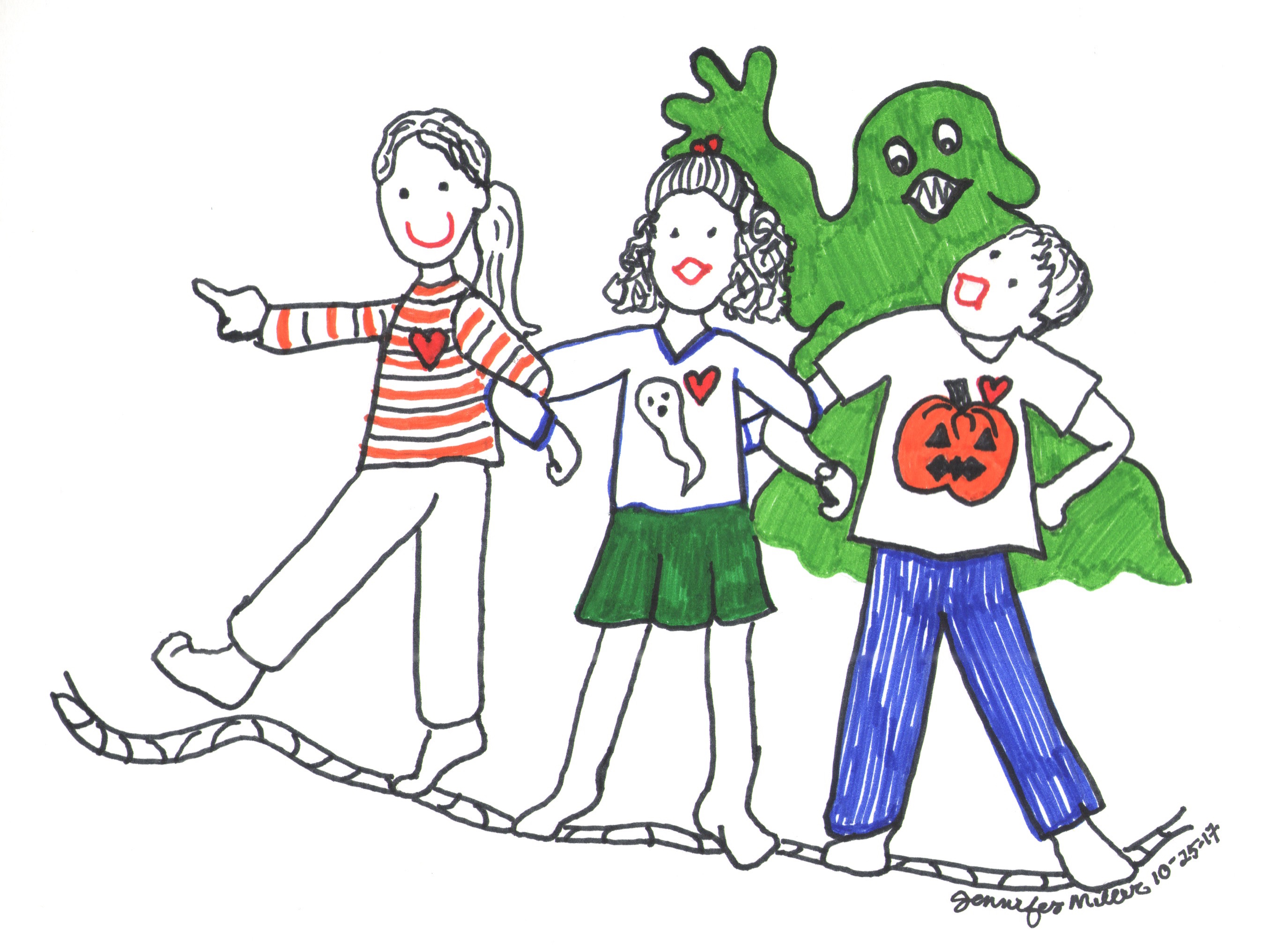
It’s the morning after our summer vacation at the lake. E awoke and said he had had a nightmare. “My school became a haunted village. A ghost dragged me around the grounds. And all of my school friends were at my house playing with my favorite toys.” Though there were still a few weeks until the start of school, he was anticipating, not only the beginning but also the end of his freedom. And he worries about the unknown, faceless teacher who will rule over his days to come. Starting back to school can be an exciting time but as with any transition, it can also be fraught with worry, fear and a sense of loss as the freedoms of summer disappear. How can you best support your children as they go through this annual rite of passage?

Say goodbye to summer.
Summer days are so sweet and fleeting. Perhaps you spend precious family time laughing and enjoying one another in ways that may not occur as often during the hustle of the school year. As a family, find a way to say goodbye to summer. It could be as simple as an ice cream sundae indulgence or a campfire in the backyard. Pitch a tent or simply throw your beach blankets on the grass and stargaze. My husband proposed sharing a slideshow of seasonal photos with the grandparents. While you are savoring those last summer moments, take a moment to reflect on some of your happiest times over the last few months. When did you laugh the most? What were your favorite moments on your travels or local adventures? What animals or plants did you encounter? What activities do you want to repeat next summer? If your school year has already begun, the Labor Day weekend offers a natural opportunity to create a way to have one final appreciation of summer.

Create rituals for the ending and beginning.
After finding a way to reflect and enjoy summer’s end together, how will you anticipate all that is positive about starting the school year? In addition to new tools including the fresh smell of a new box of crayons and razor sharp Ticonderoga twos, there are friends with whom to reconnect or perhaps new friends to be made. Haul out a few projects from last year and display them once again to remind your child of the success she has already experienced in school. Make a ritual out of getting school supplies by buying them together and then enjoying a special meal together or engaging in your child’s favorite activity as a family.

Create or recreate your routine.
Part of the annual preparations in our house for the school year is the creation of the morning routine poster. This doesn’t need to occur before school begins but in those first few weeks starting back, it’s an ideal time to go over it so that the opportunities and challenges are fresh in the minds of all family members. Going over your morning routine can offer great comfort to a child who has not gotten up at the crack of dawn or needed to get dressed and move quickly for months. Don’t expect that they will snap back into the routine easily. Pave the way by discussing how your morning will progress together. Find out what your children’s expectations and hopes are. Writing down your child’s routine formalizes it and helps provide a reminder to return to if there are struggles in those early days of school. For more on simple ways to plan for better mornings with kids, check out the video short, “A Smooth Morning Routine”.

Practice!
Does your child walk to school? Do they take the bus? Offer a practice dry run opportunity to add a feeling of comfort and safety before the first day. Get up at school time. Get dressed and follow your route to school whether it’s walking or driving. If your children take the bus, go to their bus stop and then drive the route to school. Talk about where they might want to sit and how they could introduce themselves to other kids and the bus driver. When you arrive at the empty school yard, walk around and show your child where they will line up or meet their teacher. Then go to your favorite coffee shop or donut house and get a morning snack to add a sense of celebration. Though this practice may seem like an extra step, it will pay off when you witness your child entering the school year with more confidence.

Involve children in preparations.
Work on a calendar for your child’s room and place all of the major events in the school year on it including friends’ birthdays and days off. Engage your child in placing their name in notebooks, on pencil holders and other school tools. Prepare your child’s homework space. Talk about what tools they might need at home and get them organized and ready. Perhaps work together on making a pencil holder (using a well rinsed frozen juice can, paper, glue, stickers and markers) or decorating book covers. Create a binder for papers sent home. Parents often fall into the flurry of preparations and may just check items off the list. Think about how you can involve your child knowing that this will pave the way for them in thinking about the tools and organization they need in order to be successful this school year.

Listen.
Show that you are open and willing to listen during this time of transition. Children will be more likely to share their worries. Perhaps begin a conversation with him about his experience with his last teacher and how he got to know her and like her. Ask questions about rich memories from last school year and offer the space for your child to tell you about his school experiences. If worries emerge in conversation, you, in turn, can address those through practice, involvement, and reflection.

Show additional sensitivity.
Children will have heightened emotions during this transition from summer to the first months of the school year. They are adjusting to major changes in their life including new faces and new expectations. Be aware that greater upset about minor issues may indicate anxiety just below the surface. If children are unable to identify or articulate their feelings, offer feeling words and ask if they are accurate: “It sounds like you are worried. Are you worried about having a new teacher or being in a new building?”

Express confidence. Because worries may run at a fever pitch this time of year, tell stories of persistence from your child’s past. Find ways to show your confidence in your child’s ability to meet any challenge by digging in and working hard. Emphasize hard work as a family value, one that all members are engaged in with their work and schooling. Reinforce ways to introduce yourself and make new friends to offer additional confidence when social anxiety strikes. Also, clue your child into becoming more socially aware. Discuss the fact that others around your child – peers and teachers alike – will show signs of nervousness too. When your child gets worried, coach her to invest her energy in empathizing with others and making others comfortable by enjoying the moment and she may just forget her worries altogether.

Introduce yourself or make brief contact with your child’s teacher. These first few weeks of school offer an important opportunity for connection with your child’s teacher. Beginning that relationship as soon as possible in a positive way will contribute to further communications and ultimately, your child’s success in the classroom so it’s worth the effort. Stick around during drop off or pick up. Extend a handshake, a smile and wishes for a great year ahead. These first interactions will pave the way for future partnership. For more on ways to initiate a partnership with your child’s teachers as a parent, check out “The Most Important Relationship To Build This School Year.”

Taking steps to prepare your children by creating rituals and celebrations, through initiating organization and reflection, and by showing of empathy for their situation and the accompanying mix of emotions can all contribute to a sense of safety and security in the midst of change. Not only will it help create smooth transitions during each day for your family, but it will also allow your children to enter the school year with an open mind and heart to experience the joy and possibility of learning.


For more ideas, check out “Back to School Butterfiles.” And if your child is moving from preschool to kindergarten, do check out the article, “In Between Here and There.”

Updated from original, published on 8-7-14.

Helping Your Family Deal with Back to School Butterflies and On Thrive Global Today!

“Everyone has butterflies when they are starting something new. Just make sure you visualize them flying in formation and you’ll be fine.”

– My Dad, David Smith from a Dale Carnegie Public Speaking Course

If you are a parent, you are likely in the middle of clothing and supply shopping preparing for the first day of school. There may be more stress around the house as you switch gears from the less scheduled, slower-paced summer routines to alarm clocks ringing early, morning rushes to get out of the house on time, new clothing, new teachers, homework and general exhaustion.

In addition to practical routine changes, you may have your own set of anxieties. For many, work demands increase as fiscal years end in August and begin in September. For fellow educators, we are busy attending or giving professional development courses during the month of August and preparing our classrooms and schools for the students to come. Maybe your child is moving from one school to another as mine is. Maybe it’s a major transition year from preschool to kindergarten, elementary to middle or middle to high school. Because the school community is as much a part of your whole family’s life as it is your child’s, parents naturally have their own trepidations about new teachers, principals, parents and friends.

How can parents best help deal with the back to school butterflies?

Practice routines and do dry runs in advance. If you are walking to school, try walking a day or two ahead of time without the pressure of needing to get there. Make it fun and stop by the playground and or local ice cream store on your route home. Practice your morning routine in an afternoon before you have to go through it. Try on new clothes, brush teeth, eat breakfast and see if you can make it fun working together to get all that you need to accomplished. This morning, we tried out E’s new alarm clock to practice waking up to it. Educators will be practicing routines like getting quiet or putting away supplies in desks at school. Children then know exactly what is expected of them and can go about the routine feeling competent and safe in that knowledge. Why not do the same at home to help your day run smoothly?

Give your child an opportunity to show competence. We saved the experience of E getting his own library card until he could write his full name to sign the back of the card. We wanted him to feel a sense of pride and achievement and it served as a clear goal helping him practice writing his name. He was probably capable of doing it all summer but I saved the chance for the day before kindergarten. We took our usual trip to the library and I announced this would be the day that he could get his library card. For older children, sharing memories and stories of making new friends and accomplishing learning goals can be a great comfort to a child anticipating the start of school. Finding a small way for your child to discuss or show that he/she is capable boosts her confidence so that she is ready to tackle the challenges of a new school, grade level, and teacher.

Recognize and support your own anxieties. Each time I flew on an airplane this summer, the stewardess walked up to me, made direct eye contact, leaned in and clearly articulated that I must put on the oxygen mask myself before helping my son. “Okay, okay,” I thought. “I get it.” As most moms do, I tend to place my son before myself. Your own stress will impact your entire family and the climate that is felt at home. So do something about your worries. Make written lists if that helps organize your thoughts. Journal to get your feelings down on paper versus allowing those thoughts to stew inside you. Breathe deeply each time you think of it. Make a date with a friend to remove yourself for an hour or two from the pressures of family life. And when you are in a particularly intense moment of worry or anxiety, visualize your butterflies flying in a calm and coordinated formation.

Be aware small issues may cause big upsets. Emotions may be just below the surface ready to appear when any little issue arises. Be aware that those upsets over small things like a spilled snack are ways of releasing some of the bigger emotions that are welling up inside. Your awareness, added empathy, patience and calm will help redirect children and, indeed, all family members back to focusing on what is important.

Create extra time for quiet and rest both for your child and yourself. Days are particularly busy. Homework for some will begin to be assigned on the first day of school. Be sure and allow time for rest and quiet after school and on the weekends. You may provide an after school snack each day. Sit down with your children and just listen. They may not tell you what happened during the day if you ask a lot of questions. But if there is quiet and you simply listen, they may be more willing to offer up anecdotes from the day. Find opportunities to turn off the screens and just allow for reading or quiet play. The investment in quiet time will pay off during the busy days ahead.

Get outside and exercise. Those jitters bottled up inside don’t know where to go. Be sure and encourage children to run around outside when there is the opportunity. The fresh air and exercise will channel the release of anxieties through good fun and play.

Focus on the fun. Because it’s a busy time of year, it’s easy for parents to get caught up in the hustle and bustle and forget to find ways to make back to school time fun. Take a breath and realize your children won’t ever have the opportunity to start first grade again. Make the most of it by appreciating your time together. Find family moments to have fun at dinner or during the usual routines. Turn on some music or buy a special treat for all to enjoy. Savor!

May your back to school experience be joyful for the whole family and may your butterflies fly in formation!

Favorite Back to School Picture Book (for preschool through grade 3):
9780590047012_xlgPenn, Audrey. (2007). The Kissing Hand. Tanglewood Press.
A raccoon Mom and son prepare for him to go to school. She gives him a kiss on his palm. When she’s not with him, he can place the open palm on his cheek and feel her kiss with him.

Originally published August 16, 2016.


On Adrianna Huffington’s Thrive Global today…

Check out Teaching Young Children About Anger; And How We Can Model Emotional Intelligence as Parents!

Here’s how it begins…

“That’s mine!” Sophie heard her daughter scream at her younger sibling from the next room. As Sophie turned her attention to the unfolding scene, she saw her upset child swipe a doll out of the hands of her sister and hit her across the shoulder. What should Sophie do next?

Young children, as they begin the negotiations of playing with others, particularly in preschool and kindergarten, get angry and frustrated but are unsure how to manage their feelings. It’s common for children to lash out or run away or melt down in a puddle of angry tears. In addition to not knowing how to handle their big feelings, the upset can be compounded by the fact that they do not yet have the emotional vocabulary at the ready to clearly articulate what they are experiencing. In considering how to teach young children how to manage anger, it helps to combat some myths or misperceptions about this sometimes feared, and often avoided emotion. READ THE FULL ARTICLE ON THRIVE GLOBAL.


Confident Parents, Confident Kids Turns Five!

We’re celebrating five years of Confident Parents, Confident Kids!

Help us celebrate by answering a few questions about your experience with this site so that we get your views on ways we can improve! It’s a short eight-question survey that shouldn’t take more than a minute or two to fill out. But it will help us tremendously in learning what you, as a reader and follower, most appreciate and want to see more of here. This link will take you directly to the brief survey.

Confident Parents, Confident Kids has grown into a large, vibrant community of individuals and organizations who share a deep concern for children’s social and emotional development. We are so appreciative to all of those who read, follow, comment and share! Your participation in this dialogue enhances our understanding of the many ways we can support kids in building the most critical skills to get along with one another, achieve their hopes and dreams, and become significant contributors. I know I am a better Mom because of the many opportunities this conversation provides to reflect on issues of importance to my family and how we want to live out our values.

I’d like to send out particular thanks to the following active collaborators who make this community possible:

Individuals:

Linda and David Smith, Jason and Ethan Miller, Roger Weissberg, Shannon Wanless, Jamie Farnsworth, Esta Pratt-Kielley, Andrew Arenge, Lydia Blanco, Arina Bokas, Cecilia and Jason Hilkey, Nikkya Hargrove, Mirellise Vasquez, Jo Salazar, Pamela McVeagh-Lally, Janine Halloran, Natasha Daniels, Tikeetha Thomas, Kimberly Allison, Sharon Perez, Maurice Elias, Bonnie Lathram, Jan and Phil Miller, Tom Rausch, and Jacqueline Flynn

Organizations:

Collaboration for Academic, Social and Emotional Learning (CASEL), NBC Parent Toolkit, Tauck Family Foundation, Happily Family, Pearson Education, Thrive Global, Kids’ Standard, Getting Smart, Parent Magazine, Girl Leadership, Random Acts of Kindness Foundation, FutureReady Columbus, Ashoka Changemakers and Edutopia.

Now more than ever, promoting skills in self-awareness, self-management, social awareness, relationship skills and responsible decision-making are vital for our kids’ success today and in the future. There are many new collaborative efforts in the works for this upcoming season so onto the next five!

All the best!


James P. Comer, MD, MPH. the Maurice Falk Professor of Child Psychiatry at Yale University School of Medicine’s Child Study Center said:


And what a difference that is!

Preparing Siblings for a New Baby

“I hope she cares when the baby is here because I keep telling her about it, and she doesn’t seem to react or connect with the fact that a baby in on the way.”

“My son is super excited about the birth of his baby sister. He gently pats my growing tummy every day.”

“My daughter shows me all of the ways she is going to be a good sister by swaddling her baby doll and carrying her around, talking to her.”

In those nine months of preparation, while you are physically and emotionally preparing for another person to join your intimate household, your child is also anticipating, in his or her own individual way, the baby to come. He may be thinking as you may be, “What will life be like? And how will my life change?”

With your first child, perhaps you had work pressures finalizing projects in order to allow for time off. And then, you probably focused on each step of your pregnancy reading about your body’s changes and the baby’s rapid development. But now, with one, two or more children already living in your bustling household, you are likely not relishing in your body’s and the baby’s changes but multi-tasking in preparing the items you need and the space the baby will occupy all the while keeping up with work and a full family’s set of needs. It can feel like a hectic time. But it’s worth considering how you will prepare yourself and your children for the arrival of the baby and their new role as a sibling.

Adding a new family member represents a significant life change. And as such, there are ways you can support yourself, your partner and your children to a.) understand how adults and children tend to react in times of transition, and b.) consider what temporary supports you can create in order to pave your way. Here are some considerations in adjusting your own expectations and perspectives related to your children’s feelings and resulting behavior during and especially after the baby is born.

Emotions will be more intense. Though having a baby is a joyful experience – and for some individuals, they may expect you to only feel joyful about the experience – in truth, the anticipation, and experience of having a baby is highly stressful and will produce a multitude of complex feelings. Adults and children alike can feel sadness over the loss of the life they had as just three, for example. They may worry about the time they will not have to spend solely with the others as the baby divides attention. They may actively fear the change. They may feel guilt for those aforementioned feelings. And they can become frustrated as the encroaching preparations for the baby replaces some of the focus on their goals, needs, and desires. Seemingly small, insignificant occurrences – like temporarily losing a small toy – can trigger great upset because of the bubbling emotions just under the surface about the bigger family changes.

Children typically show regressive behaviors. If you have a preschooler that has recently mastered potty training, she may fall back into old habits and have accidents. If you have a fourth grader, her desire to focus on friends and her newly found independence may quickly revert to needing more focused attention from Mom. Her actions may resemble what you remember from her earlier years when she needed you in order to feel safe.

Children will feel more vulnerable. Their survival instinct – fight or flight – will kick in more frequently. We are hard-wired to need our parents’ attention for our very survival. Children feel that sense of need to a greater or lesser degree throughout childhood even into adolescence with the deep realization that they have not yet learned how to survive without your support. When you recognize that your child is in survival mode, in other words, feeling threatened and upset, know that you will be able to communicate little if anything until they have calmed down and been reassured.

The way you prepare your children can differ relative to their age, stage, and understanding of your growing family. The following are ideas of simple ways you can help your child at multiple ages and stages adjust to the idea, deal with this big life change and embrace his or her new roles as an older sibling.

Reflect together on what babies are like by remembering your child’s baby days. Get out the photo albums or gather around the computer to revinewborn-w-mom-and-dad-by-jennifer-millerew baby pictures of your daughter or son. Reminisce about the wonderful aspects of having a baby. As you flip through pictures, discuss a typical day for a baby. What’s it like? Does your son remember taking naps four times a day? Does he remember waking up every three hours at night to be fed? Talk about and raise your own questions about why babies act the way they do. If you don’t know the answers, look them up together. Begin to acclimate your child to a baby’s needs and day-to-day experiences.

Read children’s books together about being a sibling and having a baby too. I’ve listed of few favorites as recommendations below.

Help your child define her new identity with roles and responsibilities. As you scurry to prepare, your child is watching. In addition to becoming a big sister or brother, how can you help your son or daughter understand what specific roles he or she can play. How can she contribute? Having specific helping roles to play will allow your child to take some ownership as a family member. And instead of directing your child away when you need to focus on the baby, you’ll have already considered a number of roles she can play to help out as a big sister.

No matter the age or stage, role playing can assist your child in understanding how she can substantively make a contribution. Use a baby doll or stuffed friend and practice swaddling. Practice different ways of holding the baby and involve all family members. If you have older children, try changing diapers as a game. Who can do the best job with diaper changing – gentlest, cleanest? And what if the baby is crying? If it’s upsetting for sleep deprived parents, you can bet that a crying baby will be upsetting for your child too. So what can she do when she’s crying? Can she gently pat her. Practice. Can she gently shush? Or can she sing a lullaby? Practice together.

Brainstorm a list of big brother helper actions. Get out a plain poster board and markers or your child’s favorite drawing materials. Label it “Big Brother Helper.” Now consider together, what can a big brother do when the baby is here to help? Think small. Can he go get a plush toy from the basket? Offer ideas and let him come up with his own. Be sure he has the opportunity to draw and write on the poster to represent his roles and ideas. And use this conversation to talk about safety issues. If he proposes something unsafe or unrealistic, this is a chance to reframe it before the baby arrives. “Your baby sister will be too little to play on the floor on her own when she’s born but we could lay her in her crib and see what she does.” Post it somewhere in which you can refer to it when the baby is present. Use the list to remind your child of his helping behaviors. And be sure and reinforce when he does them such as, “I notice you brought over the baby’s blanket. That’s being a helpful big brother!”

Create a plan for calming down. You can expect they’ll be a time when your baby and your child are crying at the same time both needing your attention. So why not plan for some supports to help you in that challenging situation? Before the baby is born, create a calming down plan. Is there a soft, comforting place your child can go to calm down preferably in a family room or common area so that he feels the safety of you nearby? Read more about Creating a Safe Base. But sending a child out of the room when she is feeling threatened by the new baby and needing your attention can escalate the problem. So if you anticipate being in that situation, when she needs you and you need to be with the baby, what alternatives can you plan for? Can she snuggle at your side? Can you share a blanket between your child, you and the baby? Practice getting upset, deep breathing together and calming down so that your child knows what you are reminding her to do when the situation arises. Also, consider getting a calm down tool for both your child and the baby that your child could take charge of to give him a sense of ownership. For example, could your child bring over a music box with calming music or offer a toy fish tank where you can watch the fish swim or play nature noises on a sound machine?

Plan for one-on-one attention with your child each day (even if brief). Designate with your child (and if more than one, each child in your family) a special only-for-them time each day that you can snuggle or share focused attention with one another. Perhaps it is a time to read a book at bedtime. Create a secret code and or call that time a special name, “Mom and Tom’s Awesome 20” for your twenty minutes together. Make certain that whatever you commit to, you are able to stick with over time. Gain your partners’ support in doing this. You can use this time as prevention! When you run into problems with an upset child needing your focus, you can always point to looking forward to that sacred time that you have together. And your child can know for certain that he will have your full attention at that time each day.

Enlist a team to support with attention for your older children. Do you have friends in the neighborhood that might spend some time with your child after school? Do you have a grandparent who could lavish attention on the new older brother? As you think about planning for the weeks after you bring baby home, schedule “focused attention dates” for your child in which other significant, caring adults offer him support and focus.

Keep consistent routines. Before the baby is born, go over your daily routines and any changes that will be necessary once the baby is present. Then, work together as a family team to keep morning, homework time, dinner and bedtime – or whatever your daily routines are – consistent. The rhythm that routines offer will help your child feel safe and secure in a time of great change.

Use feeling words and talk more about feelings. Generally, we tend not to be in the habit of expressing our feelings. That’s because it makes us feel vulnerable particularly when our emotions are anything other than happy. But because this transition time for your family is going to be highly emotional, it helps to normalize communicating feelings. Your child will get valuable practice expressing herself. And she’ll feel better understood as she is able to more quickly communicate her feelings with practice. Over time, experience with expressing feelings can de-escalate upset because your children feel like they are heard and valued when their emotions are understood by others. Discuss with all family members the fact that it will be a more emotional time. Perhaps work on a project with your children to draw faces with a variety of emotions to hang on a door or wall as a reminder and guide to point to when expressing themselves.

Use a timer. When the baby is born and you are settling into your daily routines, use a timer to avoid power struggles. Set the timer for the amount of time you need with the baby until you can attend to your child. Or set the timer when you need to limit screen time. Children five and up can take charge of the timer, set it for him or herself and own the responsibility of sticking to the timer. This takes the chore away from a parent of managing time.

Explore places, people, and plans together. Though you may be in a rush to check items off of your list, remember to include your children in planning. If you tour the hospital where you are delivering, take your children along with you and allow them to learn and experience the new environment with you. If you are interviewing sitters or day care providers, spend time with the new person and your child. Your efforts to get to know the new caregiver will help build trust with your child through the process.

Acknowledge that this will be a period of trial and error. Children and adults for that matter are trying on a new identity as a Mom or Dad of more children and a sibling of a baby. Kids can be particularly sensitive to any feedback you give during this time period. If you do give feedback, positive or negative, focus on the behavior. Help your child understand that there is always a chance to make a next positive decision.

Emphasize and recognize kind behaviors when you see it. “I notice you gently patted the baby. That’s a wonderful way to show love as a big sister.” You’ll help set the stage for kindness between siblings from the start. And offer lots of hugs, assurances and “I love yous” as your children work toward the realization that you will always be there for them along with the rest of your growing family.

Children’s Book Recommendations

unknownA Pocket Full of Kisses by Audrey Penn
For Ages 3-7
After the baby Raccoon arrives, the older brother, Chester, feels sad that his Mom is giving the new baby love and worries there won’t be enough for him. Ultimately, Mom shows Chester there that he is loved deeply along with the new baby.


unknown-1There’s A House Inside My Mummy by Giles Andreae
For Ages 1-7
A delightful explanation of what a Mom’s body provides for the baby while it’s developing in-utero.


unknown-2unknown-3I’m A Big Sister and I’m A Big Brother by Joanna Cole and Rosalinda Knightly
For Ages 1-7
These books give a helpful look at being a big sister or being a big brother and the fact that she or he is still loved just as much with the new baby but also, has a special new role.


unknown-4

Sisters by Raina Telgemeier
For Ages 8-12
This is a humorous look at becoming a sister twice to a girl and then, a boy and the relationships they develop as siblings.


I struggled to find a book for tween/teen boys about brothers. Please recommend if you know of a good one! This one looks excellent and is the closest one I could find. 🙂

unknown-5Half Brother by Kenneth Oppel
For Ages 13 and up
This is the wonderful story of a thirteen-year-old only child whose parent, a scientist, brings home a chimpanzee and treats him as a son and expects the main character to treat him as a brother.


Originally published by January 26, 2017.

Teaching Young Children About Anger

“That’s mine!” Sophie heard her daughter scream at her younger sibling from the next room. As Sophie turned her attention to the unfolding scene, she saw her upset child swipe a doll out of the hands of her sister and hit her across the shoulder. What should Sophie do next?

Young children, as they begin the negotiations of playing with others, particularly in preschool and kindergarten, get angry and frustrated but are unsure how to manage their feelings. It’s common for children to lash out or run away or melt down in a puddle of angry tears. In addition to not knowing how to handle their big feelings, the upset can be compounded by the fact that they do not yet have the emotional vocabulary at the ready to clearly articulate what they are experiencing. In considering how to teach young children how to manage anger, it helps to combat some myths or misperceptions about this sometimes feared, and often avoided emotion.

Anger Misconceptions

We tend to believe anger is…

  • bad or negative and avoid or shut down the experience of it. There’s good reason for it. We have all experienced someone(s) in our lives who has lost control and acted in ways that harm themselves or others when angry. However, we know that every emotion, including anger, serves a critical purpose. It provides information about who we are, what emotional or physical needs are not getting met, and where our boundaries lie.
  • expressing anger such as yelling will dissipate it. In fact, research confirms that the expression of aggression whether it’s yelling or hitting (and that includes for parents, spanking) exacerbates the anger.1 Our bodies produce a surge of energy through hormones when angry that gives us a jolt if we need to run from a tiger or fight an attacker. When we yell or hit, more of those hormones are produced so that instead of a single jolt, our bodies refill with more angry energy.
  • venting such as complaining, ranting or even mumbling gets out the upset thoughts and feelings. In fact, venting is to anger as rumination is to worry. We can churn through worrying thoughts in our minds repeatedly but those thoughts go nowhere and ultimately, are unproductive. So too venting, whether we are listing off our complaints to another or talking to ourselves, tends to reinforce our negative thinking. That’s because it does not offer an alternative view of the situation nor does it pose any solutions. Because venting doesn’t change thinking, the feeling persists.
  • avoiding or pretending you are not angry will make it go away. Because the emotion – like any other emotion – is emerging to send a vital message to its owner, it cannot be avoided or denied. When turned inward, that anger can become destructive in the body. Also, when anger is buried, it can be stuffed down for a time but may contribute to a larger explosion (that may not have occurred otherwise) because of the build-up of heated emotions over time.

Your young child is learning to respond to her emotions primarily by watching how you respond to your own emotions. Because modeling is her first teacher, there are a few steps you can take to deal with your own anger. By adopting these practices, you can feel confident that you are simultaneously teaching your children how to deal with their own upset.

Recognize your anger.
This self-awareness can come from a number of cues. First, notice – how does your body typically react when you are mad? Do your ears turn red and hot? Do your hands shake? Does your heart beat rapidly? Those physical symptoms – different in every person – can cue you to the need to calm down before choosing your next words or actions. Are you raising or lowering your voice volume? Notice the signs, discuss what signs your child notices and take the following steps.

Breath first.
Slowing down your breathing serves a critical biological function. It allows those hormones that have surged from your anger to recede. Your body is able to regain its composure. And your brain is able to think beyond fight, flight or freeze. Practice deep breathing audibly. If you’ve practiced yoga, try using ujjayi breathing (or “ocean breath”) in which you breathe deeply through your nose while constricting your throat slightly producing a sound like the waves of the sea. Not only will the sound help calm you, but it will also emphasize and call attention to your breath for your young child to observe.

Use strange calm.
Switch into slow motion. Use the burst of energy to become extremely slow and intentional about using your body. Drop down to the floor or in a chair. Close your eyes. Breath and go within to regain your calm. No matter what chaos is happening around you, you can be assured that you will accomplish nothing – except perhaps to make matters more contentious – by reacting in an angry moment. To learn more, check out the article.

Walk outside.
Yes, the fresh air does help you breath better and the natural surroundings are instantly calming. If you cannot get away, just walk into your yard and pace around your patch of grass. Look up in the trees. A few moments can help restore your grounding.

Distract.
Research has found that distraction really does work to calm rage. Books, television, or movies can help. That’s because they focus your mind on a differing perspective and remove the thoughts that are feeding the anger. But be careful not to rely on this as your only strategy since it can serve as an avoidance mechanism too. If you use distraction, then after you’ve calmed down, use the next step – writing – or talking with a confidante to reframe your thinking to understand what you can learn from your current challenge.

Write.
Writing down your angry thoughts (versus ruminating in your head about them) can offer you a chance to re-evaluate your situation. You can reframe it, look at it from another perspective or search for the silver lining. When you reflect in your writing on what you can learn from the situation, it has a calming effect.

Young children will require practice with new strategies for dealing with their angry emotions. So make a game out of the practice! Go through the steps as a family team. Or engage your child in learning it in order to teach the game to a stuffed friend. Either way, use the teaching of understanding and managing anger as subject for play. Then when she is upset, you only need remind her of her practice. The main points you want to emphasize in your teaching are:

  • Emotions are helpful signs from ourselves that we need to pay attention to our needs.
  • We know when we are feeling angry when we feel the signs in our body. Find out what your child’s signs tend to be.
  • Using feelings words helps us feel better and helps others understand us.

And here’s the process:

  1. Move to privacy and safety.

So often, our children melt down in the least convenient places. Whether it’s at the grocery store or in the preschool parking lot, we are often in the midst of moving through our daily routine in public and not at home. That’s why this first step is important. Young children are becoming increasingly aware of peers and the perceptions of people around them. Though they may lose emotional control, their upset may grow more intense as they feel embarrassed they are “losing it” around friends, teachers or strangers. So practice joining hands and moving to a safe, private space closest to where you are. You never want to have to drag a child or force them to move. For that reason, this practice is essential. You could position yourself in various places during your game and say, “Where can we go to be safe and alone?” When you are at the store or at a restaurant (any usual place your family frequents), try it out when all are calm and make it a part of the game.

2. Breathe.

There are numerous ways you can teach your child to deeply breathe. You could begin by simply placing your hand on your own heart feeling it beat and encouraging your child to do the same. Now run in place a few minutes and feel again as it beats more quickly. Explain that you’ll have a faster heartbeat when you’re upset. But as you practice any one of these breathing games, your heartbeat will slow down again. Here are a few methods.

  • Hot Chocolate breathing

Pretend to hold your hot cup of cocoa in both hands in front of you. Breathe in deeply the aroma of the chocolate. And then blow out to cool it in preparation for drinking. Do this to the count of five to give your child practice. Then, look for chances to practice it regularly.

  • Teddy Bear Belly breathing

Blissful Kids wrote this wonderful article on teaching deep belly breathing by balancing a teddy bear on a child’s tummy and giving it a ride with the rising and falling of her breath. Great idea! This would be ideal to practice during your bedtime routine when you are lying down and wanting to calm down for the evening.

  • Blowing Out Birthday Candles breathing

You can pretend you are blowing out candles on a birthday cake. Just the image in your head of a birthday cake brings about happy thoughts. And in order to blow out a number of small flames, you have to take in deep breaths. This is one you can try anywhere, anytime.

  • Ocean breathing

Practice making the noise of the sea waves while breathing deeply from your diaphragm. Close your eyes with your child and imagine that your anger is a fiery flame waiting on a sandy shore. And as you breathe life into the ocean waves, they grow closer and closer to the flame to extinguish it. Check out my poster for a home or classroom on ocean wave breathing!

  • Play Turtle

In the research-based social and emotional learning curriculum for schools, the PATHS (Promoting Alternative Thinking Strategies) curriculum encourages children to pretend they are a turtle. When they are upset, they can sink back into their shells (they can place their arms over their head) and breath inside the shelter of their own arms to regain calm before re-entering their environment. This could inspire wonderful play with young children and stir their vivid imagination of what it might look like and feel like when they are calming down.

I’ve also created a poster to help adults remember to take deep breaths each morning before starting their day.

3. Distract, Reflect and/or Reframe.
There may be times when distraction works better than other times. Guiding a child to sit with an engaging picture book, an activity book or a puzzle can be a way to distract from the upset of the moment. Drawing or writing can also serve as calming activities. But if your child has shown big feelings – anger, frustration, sadness, anxiety – be sure that you return to discuss it. Ask what she’s feeling and name it. “It seemed like you were frustrated. Is that right?” That will offer her the chance to identify and articulate her feelings. Find out why she was feeling upset. Offer some alternative perspectives and help her reframe her own thoughts to see a bigger picture if possible.

This is the time to brainstorm other ways to handle a problem situation. Could she and her sister set a timer and take turns playing with the doll, for example? Challenge yourself to find and offer a compassionate perspective whether that means guiding your child to think empathetically about other children in the situation or to seek self-compassion for her situation. When you are practicing this particular step, have your child use a stuffed friend to reflect on the situation. Ask her to tell her bear what happened, what she was feeling, what she was thinking and how she might help her bear feel better.

Anger can challenge any of us to act with the emotional intelligence we ideally want to possess. The trick is becoming aware, stopping the escalation and calming down before we have fully lost our sensibilities. The hope and opportunity (and also, the challenge) is that our young children are watching and learning. If we avoid the chance to get angry and deal with it, then we lose the chance to show our children what it looks like to regulate our emotions. If we practice, plan and remind ourselves about the ways in which we’ll act and how we’ll calm down, we’ll be prepared to model an essential life skill and know we can face our greatest parenting challenges with a plan at the ready.


*Thank you, collaborator, R. Keeth Matheny, co-author of School Connect, a research-based high school social and emotional learning curriculum, for raising this issue.

Resource:

Lerner, H. (2014). The dance of anger; A woman’s guide to changing the patterns of intimate relationships. NY: Harper and Row.

Reference:

Goleman, D. (1995). Emotional intelligence; Why it can matter more than IQ. NY: Bantam Books.

Originally published March 17, 2017.

The Courageous Act of Making New Friends

“Friendship is born at that moment when one person says to another: ‘What! You too? I thought I was the only one.'”

C.S. Lewis

The need and desire to make new friends can arise in children’s lives anytime whether your child is new to a camp or school, a close friend moved away, or she feels disconnected from her current friends. It can require great courage to risk possible rejection and go up to someone brand new to begin a conversation. If your preschool age child once played side by side with peers and began a friendship by bumping their toy cars into one another, that easy start can become more complex as children grow. “How do I just talk to someone I don’t know?”, “What if no one is playing a game I like?” and “What if I ask to play and they say ‘No.’? are real concerns. My son voiced these in the middle of his summer camp session this morning when his close pal stayed home and he anticipated not knowing other campers. I internally battled with my own impatience as he expressed upset and I became late for work by reviewing in my head how I’d felt in a group situation when I’d known no others. Social anxiety can strike at any moment. Kids don’t often know how to cope with those worries and turn to you for guidance. So how do you help your child through those times while supporting his social skill development?

We know that whether at camp or school or an extracurricular activity,  friendships will add to a child’s comfort and enjoyment and can even determine whether they’ll participate in the first place. Research studies confirm that friendships can contribute to a student’s academic performance. Studies have concluded that for both elementary and middle school students, those that have significant friendships at school have a higher motivation for working toward social and academic goals.[i] And in the preschool years, helping children learn to play with one another is part of the core curriculum. Whether it’s on a lazy summer morning before camp or a dark, wintry school day when it is tough to get going, children of all ages will be motivated and inspired by thinking about the friends they will see each day.

If you are an educator, there is much you can do to facilitate students getting to know one another’s names, personalities, and interests in those beginning weeks of school. Check out The First Six Weeks of School to learn about ways to do this. Most often, teachers are focused on learning the students’ names themselves on day one and then quickly moving on to reading, writing and ‘rithmetic. I asked my son after his first week of kindergarten whether he knew any names of children in his class. He did not. I asked him again after the first few days of camp this summer, and again, he did not know other kids’ names. For teachers, making relationship building a priority at the beginning of the school year can not only eliminate some of those social anxieties that get in the way of learning, they can motivate a child to engage and work hard with friends at his side throughout the school year. If you are a parent, do not count on teachers having the time to make connections between children. You have little control over what happens during the camp or school day. So instead find ways when you can have an influence to support your child in opening the door to friendships. Here are some ideas to try out.

For Preschool and Elementary School Age Children

Model.

Find chances in the grocery store or at the bank during regular weekly activities in which your child accompanies you to model introductions to people. You may go to the same store each week but do you know the names of the employees that assist you? Introduce yourself and your child.

“Hi. I come in here weekly and you’ve helped me many times. What is your name? It’s nice to meet you. This is my daughter, Amanda. She is a big help on shopping trips.”

You may take the opportunity on the car ride home to reflect on the introduction. You might ask, “What did you notice that I said to the woman at the store? Are there some kids at school you might be able to introduce yourself to in a similar way?”

Practice at home.

For younger children, get out three or four of your daughter’s stuffed friends and have them join you for a snack after school.  Start by making your own introduction of one to another. Then, have your daughter do the rest of the introductions. “Seal meet Wayne, the bunny. You both like playing legos with Amanda.” Share one commonality. My son loves this game and looks for opportunities to introduce puppets, trains, cars and other friends that have not yet met.

For older children like my nine-year-old into middle school, you can involve them in introductions by play acting with them and engaging them in fun. Talk about how it can feel awkward to introduce yourself. Maybe share a story of a time you felt awkward or silly but made an introduction anyway and were glad you did. Show them how you did it. “I just walked up and said ‘I see you are reading that great book. I read it last summer and loved it. I’m Amanda.’” Recognize that it will take some courage to approach a peer. Offer simple ways to join in a game, just sit down, or introduce a topic to get through the awkward first step and move on to getting to know others.

Ask about free times like lunchtime and recess.

There are very few free moments during the school day when children choose what they can do and with whom they can do it but lunch and recess are those times. It can be so difficult to find someone to sit with at lunch when looking out at a sea of unfamiliar faces. Talk about this and what your child might do. Model simple language that he can use. “Can I sit with you?” is all it takes – that and a lot of courage – to sit down with a new group of students and have lunch. Talking about it with you and helping your child see that everyone has those feelings of awkwardness at one point or another may give him the courage needed to take that first step.

Provide reinforcing comments and withhold judgment.

As your child tells you about attempts to make new friends, reinforce what she is doing. “I notice you introduced yourself today. That kind of bravery is going to pay off, just wait and see.” It may take a number of tries to make a connection that lasts beyond the lunch period. Also, it’s tempting to ask about and judge the kids with whom she is connecting. You may know the parents or have seen the potential friends through school interactions.  We know that peers can be a significant influence on our child and we want it to be a positive one. However, because it can feel so challenging to make connections and kids are still trying to figure out in which group they belong, allow them some space to take healthy risks and try out new friendships.

Have patience and give it time.

Though at times, it may be challenging to see your child struggling to simply walk up to a group of kids to engage in play, slow your own mind down. Recall your own socially awkward moments as a child. Perhaps even remember times as an adult that it’s been tough to walk, for example, into a brand new workplace and begin relationships. Thinking about your own tough times in starting friendships can help extend your own patience while realizing that, for a child in the midst of social anxieties, it can be a significant and all-consuming challenge. Your guidance and show of confidence that they can do it will help them take the risks they need to take in order to develop those critical relationships.

Children often begin with the advantage of a core common interest – camp, school, sports. If your child initiates a conversation, that may be all that is needed to forge a friendship. Have those discussions, model, practice and reinforce their courageous efforts as they make attempts. Those small supports you provide can go a long way toward helping your child find the confidence for making healthy friendships.


For related articles:

What’s in a Name? Teaching Children the Art of Introductions

Healthy Relationships: The Cornerstone of Gratefulness


References:

[i] DuBois, D. L., Felner, R. D., Brand, S., Adan, A. M., & Evans, E. G. (1992). A prospective study of life stress, social support, and adaptation in early adolescence. Child Development, 63,542-557.

Harter, S. (1996). Teacher and classmate influences on scholastic motivation, self-esteem, and level of voice in adolescents. In J. Juvonen & K. R. Wentzel (Eds.), Social motivation: Understanding children’s school adjustment (pp. 11-42). New York: Cambridge University Press.

Wentzel, K. R. (1994). Relations of social goal pursuit to social acceptance, classroom behavior, and perceived social support. Journal of Educational Psychology, 86, 173-182.

Adapted from origin published on September 5, 2013.

Coaching – A Tool for Raising Confident Kids

Too often we give children answers to remember rather than problems to solve.

– Roger Lewin

Coaching can be a powerful way to help our children become more self-aware, understanding their thoughts and feelings and how they impact their behavior choices. It can also give them valuable practice in problem-solving and responsible decision making. Similar to a sports coach, the parent coach expresses confidence that his child will succeed in his efforts. But in contrast to a sports coach, parent coaching is not focused on the technique (HOW our child solves the problem) nor attached to the outcome. It is about helping a child think through their own solutions to a problem.

Our kids come to us with problems regularly. And so often, in the busyness of the day, we respond with a solution. And though our hurried response may help them clean up the mess of the moment, it does not prompt them to think for themselves about their problems, how they are feeling and their options for moving forward. There are two conversations below in which the same issue is addressed. The first is a possible hurried response. The second takes a coaching approach.

The hurried conversation:

“Mom, Morgan’s being mean.” says Adam.

“Yep, this happens a lot. What’s he doing?” asks Mom.

“He keeps poking me with a stick.” replies Adam.

“You tell him to cut it out or I’ll need to come talk to him.” responds Mom.

And off Adam goes to implement Mom’s solution with the possibility of her needing to intervene. Next is an example of a parent using a coaching approach in that same conversation.

The coaching conversation:

“Mom, Morgan’s being mean.” says Adam.

“What’s he doing?” says Mom.

“He keeps poking me with a stick.” replies Adam.

“It sounds like you are annoyed. Is that true?” says Mom.

“Yeah, what do I do to get him to stop?” – Adam.

“Why do you think he’s poking you?” – Mom.

“To get my attention.” – Adam.

“And how are you responding?” – Mom.

“I keep telling him to stop but he won’t!” – Adam.

“Telling him to stop doesn’t seem to be working. What could you do differently to stop his poking?” – Mom.

“I could stop giving him attention, leave and then only come back when he agrees to stop poking.” – Adam.

“Sounds good. Go for it.” – Mom.

In the hurried example, Mom accepts full responsibility for the problem. Not only does she solve the problem for him, but also expresses that she’ll likely need to intervene when his attempts do not work. And you can bet, he’ll be coming right back to her. She has inadvertently promoted his dependence on her to solve his problems. And certainly, Adam has not been required to think much further about the situation. However, in the coaching conversation, Mom probes to find out a bit more about the problem, how Adam is feeling about it and how he is responding. She points out what’s not working and asks openly what he feels could work. Adam could have responded with any number of solutions and she was ready to support any that seemed safe alternatives. She leaves him, expressing confidence in his ability to handle the situation. And I know (since this is based on a true story) that he will be successful. As a result, Adam feels a sense of competence and autonomy in being able to handle his own relationship issues.

The purpose of coaching is to help a person find his own solutions to his problem. Inherent in the coaching model is the belief and trust that an individual has that ability to solve his own issues. The coach through questions, active listening and focused reflections creates the conditions necessary for a person to have his own realizations about his feelings and thoughts and how they are informing his behaviors. This deepens his self-awareness.

So often we are in a telling or directing role as parents. The essential challenge of using coaching is that we have to suspend our own judgment about the problem at hand in order to effectively play the role. Attachment to a particular outcome lessens our power. When our child may be coming to us about a friendship challenge, it is an ideal opportunity to offer coaching support. For obvious reasons, problems that pose a high safety risk are likely not appropriate for a coaching conversation since you will desire a particular outcome.

The field of coaching has so much to offer in understanding how we can become better communicators and help others resolve their own problems bringing out their best selves. My husband is a certified leadership coach preparing future hospital presidents for their roles with these techniques. He has shared his course texts with me and the following are my interpretation of recommendations from Coaching Skills; A Handbook by Jenny Rogers with my own child developmental spin.

Use open-ended questions without an agenda. Use these questions to further define the problem so that your child can better solve it. Jenny Rogers writes about the “magical questions” that fit any context or problem which, in essence, include: “What?”” (What’s the problem?), “So what?” (What are the consequences?) and “What’s next?” (How will you move forward?) Avoid questions that are simply answered with a “yes” or “no” since they will not prompt thinking. Also, avoid “leading” questions – ones that offer advice. For example, “Shouldn’t you…,” “Wouldn’t it be better to…,” or “Why don’t you try…”

Name an emotion and ask if your observation is accurate. In addition to learning about the problem, your child can benefit from identifying how she is feeling about it. Help your child better understand what she’s feeling by listening for the feeling, articulating it as specifically as possible and then asking if you are accurate. For example, “It sounds like you are hurt and embarrassed. Is that right?” Your child will certainly tell you if you have not hit the mark with your feelings assessment. And they will be given the chance to further define their emotions in the process. Jenny Rogers writes, “As coaches, our role is often to help others articulate feelings that are there but go unrecognized, or to help them say out loud what they have kept inside.”

Challenge to initiate new thinking. In most situations, there are a number of possible solutions. I never want my son to feel trapped in a problem. So I know that offering him practice in brainstorming many solutions will prepare him for life’s biggest challenges. If a child’s response to the situation is not working, ask her to come up with a new solution. For more on practicing brainstorming many options to a problem, check out Elements of a Confident Kid… Brainstormer.

Summarize. After you’ve talked about the problem and your child’s solution, summarize it succinctly for him without embellishing or adding your own opinions. “Your problem was your annoyance at Morgan trying to get your attention by poking you. Asking him to stop wasn’t working. Now you are going to leave until he can agree not to poke anymore.” This will help your child solidify his own thinking and reaffirm that you’ve heard him and his own solution.

Eliminate judgment. Though you may be well aware of Morgan’s proclivity to poke and poke, leave your judgment about the individuals and the problem out of your conversation. Though it may be a valid frustration on your part, it could also sabotage the effectiveness of your coaching to imply or share the judgment. Using your own self-discipline as you guide your child through their thought process will pay off as you also watch them competently solve her problem.

Express genuine confidence. No, we cannot possibly know how another person will react in any given situation so we cannot be sure of how things will turn out. However, we can be certain that our child can handle problems in their relationships. Our expression of certainty will give them confidence as they try out their own solutions. Jenny Rogers uses the helpful comparison of the placebo effect in medicine. If a person senses the doctor’s full confidence in the drug’s ability to heal, they are much more likely to be healed. If we say, “You could try that and see if it works,” we sound hesitant and unsure. But a simple, “Good. Go for it!” expresses that we know our kid can work it out.

The process of coaching with a child can be an authentic vehicle for promoting social and emotional skills. By giving them a chance to address their problems, they can feel a sense of control over their own lives and relationships. They are given the chance to think through their feelings and reactions. That time for reflection can create the space and opportunity for consequential thinking which is an essential ingredient of responsible decision making. Parent coaching is a key component of confident parents raising confident kids.

Reference

Rogers, J. (2012). Coaching Skills; A Handbook (3rd Ed.). NY: McGraw-Hill Open University Press.

* Special thanks to Jason Miller for his support in doing the research for this article.

Originally published on May 14, 2015.

Stop, Think, Go! Practicing Problem-Solving

If you have a problem, don’t muddle through.
Here’s a simple rap about what to do.
Stop, calm down before you act.
You’ll think more clearly – that’s a fact.
Say the problem and how you feel.
Set a positive goal (and try to be real).
Now for some “brainy” contributions,
make out a list with lots of solutions.
Slow down, though, and use some sense
‘cause you gotta consider each consequence.
Now if you’ve done your thinking and you’re planning ahead,
you can face your problem with a little less dread.
So knowing you’ve done everything you can,
go ahead – try the very best plan.

– Terri Kazmier, New Haven (CT) Middle School Music Teacher

“He messed with my stuff while I was gone. My Lego set is broken. Moooooooom!” cries Zachary about his brother. Sibling rivalry is a common family problem. Mom could fix it. “Go help your brother fix his Lego set.” Or she could help her children learn valuable skills in problem-solving. These opportunities for practicing critical life skills happen daily if you look for them. And especially in the summertime, your children may be home more often with conflicts emerging. Collaborative problem-solving is not one skill alone but requires a whole host of skills including self-control and stress management, self-awareness of both thoughts and feelings, perspective-taking and empathy, listening and effectively communicating, goal setting, anticipating consequences and evaluating actions.

Roger Weissberg, one of the top leaders in the field of social and emotional learning and Chief Knowledge Officer for the Collaborative for Academic, Social and Emotional Learning (CASEL) and my mentor, ongoing collaborator and friend agreed to share the Traffic Light model that he and his colleagues created at Yale University with the New Haven Public Schools. The Social Development Project affected the lives of countless children, drawing from one of the lowest income communities in the country. Students learned, practiced and used these skills in role playing and real life settings over and again making the development of these social skills a part of the culture and expectations of that school system.

In addition to using this model to promote problem-solving between students in schools, it was also used for discipline purposes. If a child’s behavior merited an in-school suspension, then those children spent the time reflecting on the problem, how they felt and what actions they chose. They brainstormed ways they could act differently. And they created a positive plan for how they might act the next time they were in that situation. You too can use this as a discipline tool in your home. When your child has acted in a destructive way – either hurt someone’s feelings or property spend time reflecting on what they did and the impact it had on those around them. Then ask, “What if you made a different choice in that same situation? What choices do you have? And what would happen as a result of those actions?”

Dr. Weissberg writes that this promotes “consequential thinking.” 1 Children begin to think through the consequences of their actions prior to choosing how to act. And that kind of thinking promotes responsible decision-making. This New Haven Public Schools training was used to prevent high-risk behaviors like drug and alcohol abuse, teen pregnancy and violence in the adolescent years. Imagine if your children were engaged in developing these skills prior to that time of high peer pressures. They would be ready and prepared with well-rehearsed tools when they are tempted by their friends and you are not there at that moment to protect them.

The beauty of this model is in its simplicity. Hang up a picture of a traffic light or print out the following one-page handout from Dr. Weissberg — Social Problem Solving Curriculum Traffic Light by Roger Weissberg et al. or use my illustration as a reminder. 2 Try this out first as a game when there’s not a problem. Role play through it. Make it fun and dramatic. Adults can stand and be the stop light. Call out a problem or better yet, have kids call out a common problem they have had. Children can run toward you, the stop light. Hold your hand up and signal “Stop!” Everybody can breathe loudly to emphasize the practice and add to the fun. Now on yellow, place your hand straight out and kids can take gentle steps standing in one place while you talk through the yellow light steps below. As they become adept at the game, ask them to tell you what the yellow light steps include. Have them think out loud. Now put your hand down and announce, “Go!” They can run forward and then, try out their solution. Here’s the process.

RED LIGHT
Stop! Calm down and think before you act.

No problem-solving is going to occur, no feelings repaired until all involved calm down. So take the time you and your child need to calm down. Breathe! You can use easy-to-use teaching methods to help kids practice deep breathing such as bubble blowing, ocean wave or teddy bear belly breathing (see “Understanding Anger” article for descriptions of each). Take a moment for some quiet time in your own spaces. Then…

YELLOW LIGHT
Caution. Feel. Communicate. Think.

Say the problem and how you feel.

Parents can model this by saying, “I am feeling frustrated that you and your brother are arguing. How are you feeling?” It helps to have a list of feelings at the ready so that if your child struggles with coming up with a feeling, he can pick one off of a list that best represents how he’s feeling. This practice alone will expand his feeling’s vocabulary and he’ll be better equipped the next time to be in touch with and communicate his situation. I’ve listed below this article three resources for feelings’ lists.

Now, set a positive goal.

Before moving to “Go,” have your child think about what they want for themselves and the others involved. The goal may be as simple as, “I just want to get along with my brother,” or “I want to keep my toys safe.” Weissberg writes that setting a positive goal for kids simply means “How do you want things to end up?”

Think of lots of solutions.

Before jumping to one solution, think of lots. “I could hide my Legos where my brother can’t find them.” “We could agree to ask one another before playing with the others’ toys.” “We could promise to repair anything we break.” Involve all who were a part of the problem to generate solutions. Children who understand there are many choices in a problem situation are less likely to feel trapped into making an unhealthy decision but can step back and examine the options.

Think ahead to the consequences.

Parents can ask, “What if you tried hiding your Legos from your brother? What might happen?” Think through the realistic consequences with your children of their various solutions – both long and short term. “It might work tomorrow. But what happens when you forget in a few weeks and leave them out on your bedroom floor? Then what?” This is a critical step in helping children think through the outcomes of their choices before making them – important practice for later problems when the stakes are higher.

GREEN LIGHT
                                                                                                                

Go! Try out your best plan.

Maybe your children have agreed to ask one another before they play with the other’s toy. Try it out right away. See how it works. If it does not work, then talk about it and make slight adjustments or decide on another plan altogether that might work better.

Parents can use logical consequences in concert with this model. For example, if Zachary has harmed his brother, then he can generate solutions to repair the relationship. He may offer a sincere apology. He may spend time fixing the broken Lego set. He may help find a place to keep the Lego set safe. Children need parents’ support in repairing harm done. They need to know that there are multiple options for not only repairing a physical object but also, repairing hurt feelings. So brainstorm options together and help kids implement them.

Family meetings can be an ideal time to use this Traffic Light model too. Bring a problem to a meeting that concerns everyone. Select a fairly low stakes problem for the first one to raise at a family meeting. Gain practice with the model and with all family members collaborating on a solution. Watch as your skill as a family progresses and you are able to bring hotter issues to the table.

One positive goal I have set for my own life is to not have regrets. Acting impulsively, making quick unexamined decisions can certainly lead to regret so I particularly appreciate that this Traffic Light model includes examining consequences before acting. These are skills I hope my son will cultivate so this Summer, as the weather gets warmer and we can run out on our driveway, we’ll be practicing our “Stop!,” “Think,” and “Go” as we work through heated six-year-old issues. “E has the coolest crayons. I want them!” We’ll laugh together and learn together. And I’ll feel great about how I am giving him skills that will last a lifetime.

* A big thank you to Roger Weissberg for sharing his model and for his excellent work. You can learn more about Collaborative for Academic, Social and Emotional Learning (CASEL) by visiting their website.

Feelings Vocabulary Lists

How are you feeling today? Poster by Jim Borgman

Children’s Feelings List from the Children’s Center, University of California, Santa Barbara

Feelings Inventory from the Center for Nonviolent Communication

References

1. Weissberg, R.P., Barton, H.A., & Shriver, T.P. (1997). The social-competence promotion program for young adolescents. In G.W. Albee & T.P. Gullota (Eds.), Primary prevention exemplars: The Lela Rowland Awards (pp. 268-290). Thousand Oaks, CA: Sage.

2. Weissberg, R.P., Jackson, A.S., & Shriver, T.P. (1993). Promoting positive social development and health practices in young urban adolescents. In M.J. Elias (Ed.). Social decision making and life skills development: Guidelines for middle school educators (pp. 45-77). Gaithersburg, MD: Aspen Publications.

Originally published March 5, 2015.