


Everything that is past is either a learning experience to grow on, a beautiful memory to reflect on or a motivating factor to act upon.
– Denis Waitley
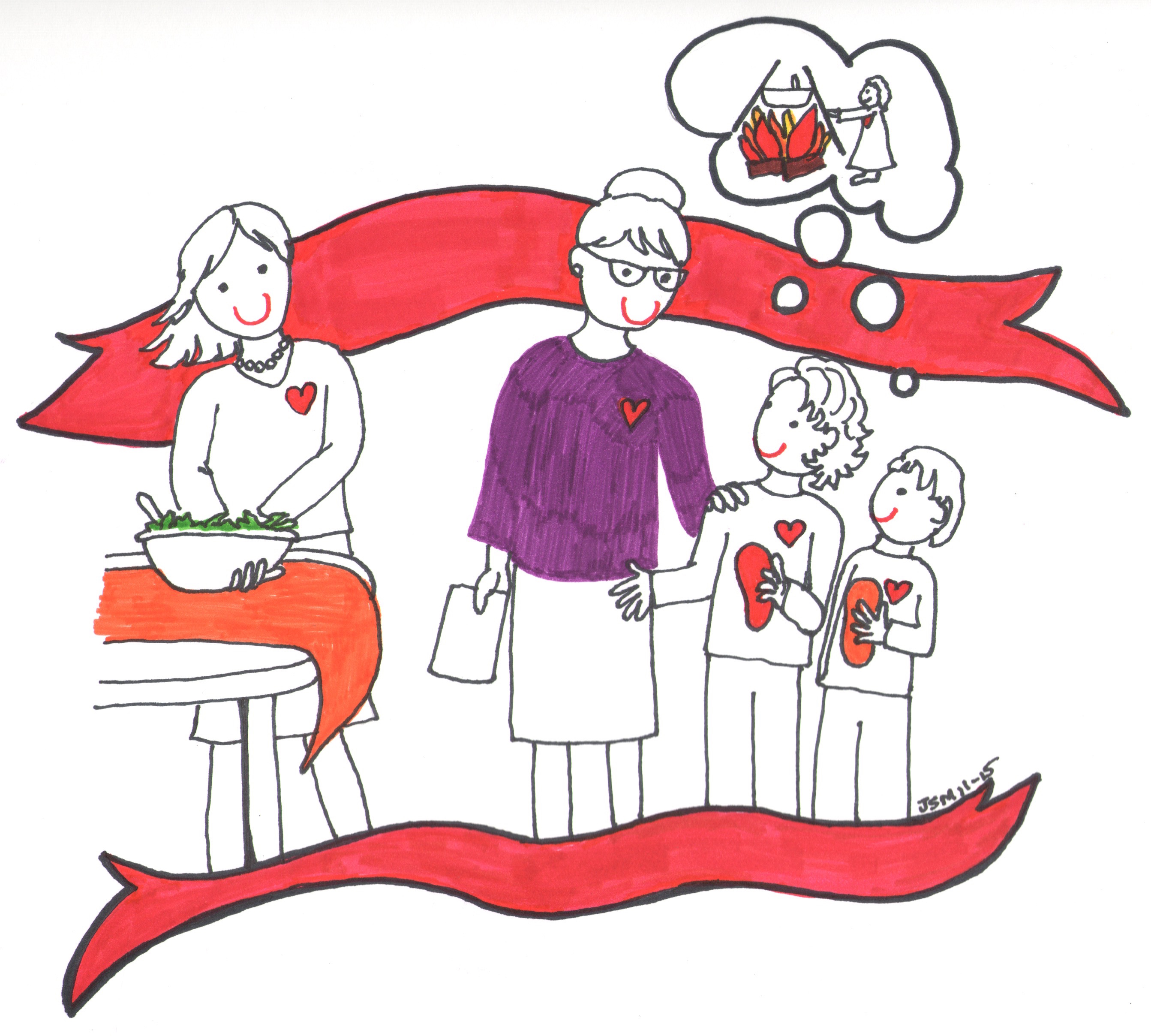
It’s not unusual for our family’s thoughts and conversations to turn to those who are missing at our Thanksgiving table. A small family to begin with, it has become smaller through the years with the loss of grandparents, aunts, uncles and cousins. So we appreciate all the more the family that we have and enjoy being together. Thinking about your own mortality and the death of loved ones can add to your sense of gratitude finds leading gratitude researcher, Robert Emmons. We acknowledge that time is precious. We focus on the moment at hand and the experience of spending time with the people we love. This led me to think about our ancestors. How much do we really know about them and their stories? Is it important for me as a parent to explore our family histories with my son to contribute to his sense of identity?
In fact, my research into these questions proved that it is indeed important to all family members including our children to explore our past for multiple reasons. Robert 
Many schools recognize the benefits of students learning about their families’ stories and understanding history from multiple cultural perspectives. Some engage programs such as, Facing History and Ourselves and integrate learning about historical events with understanding who students are today and how the past can inform their present and future. This particular program has demonstrated outcomes in improving students’ critical thinking skills, their sense of ability to contribute to the world and their connectedness to their school community.
There are ways to combine this background knowledge with the practical aspects of hosting or attending a Thanksgiving celebration. Involve them in the following project and let them lead questions with grandparents and other relatives to uncover stories from the past. You need do very little to prompt this engagement but it could lead to rich sharing amongst young and old over your turkey dinner.


Brainstorm what is known and what questions you have about family members that lived before you. For example, I know my son’s great, great grandmother was a Navajo Indian but I am unsure of her name or where she came from. So on one foot pattern, he’ll write “Great, great grandma – Navajo Indian.” He can write the questions, “What was her name? Where did she come from?”
Create an ancestral trail. Designate the family lines with signs (see picture right). Kids can line up the ancestral path on the floor perhaps leading to the doors of the house. They can engage in conversations with each adult at your Thanksgiving gathering to see who might be able to contribute to the stories that are forming.
Share together. Perhaps after the feast is over and your tummies are properly full, follow the trails made together. Also use the maps to get a sense of where in world your ancestors lived. Read through, comment and see if there are any additions to the information shared. Or are there questions unanswered that you want to explore?
I am looking forward to this exploration into our family history this Thanksgiving. Cultivate gratitude for the people who have gone before you by exploring their stories and honoring the past. Surely, it will deepen your appreciation of the present.
For child-friendly photos and brief descriptions of the clothing worn, food eaten and typical daily life of those who were present at the first Thanksgiving, check out Scholastic’s “The First Thanksgiving.”
References
Emmons, Robert. Gratitude Works! A 21-Day Program for Creating Emotional Prosperity. San Francisco, CA: Jossey-Bass Publishers.
Fischer, P., Sauer, A., Vogrincic, C. & Weisweiler, S. (2010). The Ancestor Effect: Thinking about our Genetic Origin Enhances Intellectual Performance. European Journal of Social Psychology. DOI: 10. 1002/ejsp.778.